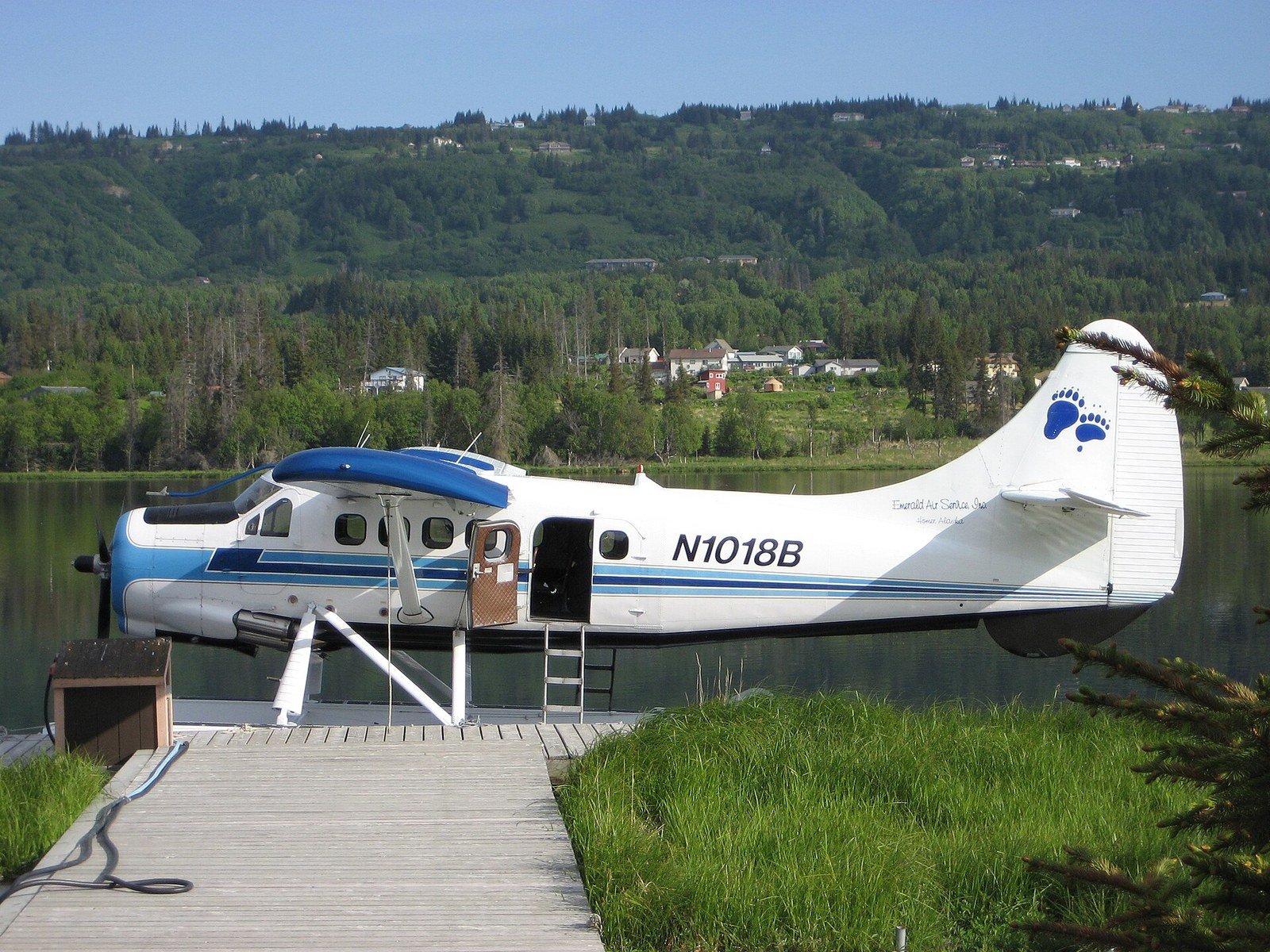
Picture a still lake ringed by spruce trees and mountains, miles from the nearest road. Then you hear it: the deep, unmistakable rumble of a radial engine. A few moments later a high-winged bush plane slides out of the sky, its floats kiss the water with a long white wake, and it taxis up to the shore like a boat that happens to have wings.
In most of the United States that scene would be a special occasion. In Alaska it’s a Tuesday. Floatplanes are woven into everyday life in the 49th state, carrying people, mail, groceries, fishermen, scientists and sightseers to places that simply can’t be reached any other way. Here’s why, which aircraft made it possible, where to see the action for yourself, and how you can get a ride or even learn to fly one.
Why Alaska Flies on Floats
It comes down to geography. The FAA describes its Alaskan Region as covering 586,412 square miles (about 1.52 million km²) of land and 33,904 miles (about 54,560 km) of mainland and island coastline. The same FAA page notes that aircraft are among the main modes of transportation because 82 percent of communities in the region aren’t connected by roads. The Alaska Department of Transportation & Public Facilities (DOT&PF) puts it even more plainly: in many places, aircraft take the place of cars, school buses, semitrucks and ambulances.
So where do you land when there’s no runway? Alaska has an enormous number of lakes, rivers and sheltered bays, and every one of them is a potential landing strip for an airplane on floats. According to the FAA’s 2023 Alaskan Region fact sheet, 105 of Alaska’s 391 public-use airports are seaplane bases, and that doesn’t count the countless private docks and remote lakes that pilots use every summer.
Floats aren’t the whole story, either. Many Alaska bush planes swap between wheels, floats and skis with the seasons.
A Little History: Floatplanes and Early Alaska
Floatplanes were part of Alaska’s story almost from the moment airplanes arrived. The U.S. Fish & Wildlife Service, which has kept an aviation base at Lake Hood since the 1940s, explains that when Anchorage was founded in 1915 as a tent city for building the Alaska Railroad, there were no highways, railroads or major airports in the territory. Travel to most places meant a floatplane, a boat or a dogsled.
Alaska’s best-known airline started small, too. Alaska Airlines traces its roots to McGee Airways, which Linious “Mac” McGee launched in 1932 as a one-plane airline serving miners, trappers and adventurers in the Alaska Territory.
Government agencies quickly saw what airplanes could do. The Fish & Wildlife Service history describes early pilots buying their own airplanes to do their jobs, and a postwar fleet that grew to include Grumman Goose and Widgeon amphibians, then lighter aircraft such as modified de Havilland Beavers, Cessnas, Cubs and Pacers. Mechanics at its Lake Hood hangar swapped landing gear with the seasons and modified aircraft with oversize tires, larger floats and special skis to suit Alaska’s beaches, tundra and snow.

The Bush Plane Legends
The de Havilland Canada DHC-2 Beaver
If one airplane says “Alaska floatplane,” it’s the Beaver. It was designed by de Havilland Aircraft of Canada, the Canadian arm of the same de Havilland family behind the little DH.84 Dragon airliner we covered recently, and it was built for the people who would fly it. Canada’s Ingenium museums say the Beaver was designed in response to the demands of Canadian bush operators, with all-metal construction, a high-lift wing and flaps that gave it excellent short takeoff and landing performance, even with heavy loads.
The prototype first flew on August 16, 1947, and is now displayed at the Canada Aviation and Space Museum in Ottawa. According to the museum, 1,692 Beavers were built between 1947 and 1968, more than any other Canadian-designed aircraft. In 1951 the Beaver won both the U.S. Air Force and U.S. Army competitions for a utility aircraft, and around 980 went on to serve with the U.S. Army and Air Force. You’ll still see Beavers working from Alaska’s lakes and docks today.
The DHC-3 Otter: the “King Beaver”
The Otter followed with the same recipe, scaled up. The Canada Aviation and Space Museum describes it as a single-engine utility aircraft with the Beaver’s capabilities but twice the size, hence its original name, “King Beaver.” It first flew on December 12, 1951. The museum notes that the U.S. Army and U.S. Navy both used Otters, that civilian versions flew in 36 countries, and that Otters helped develop the water-bombing techniques used against forest fires today.
The Piper Cub and Super Cub
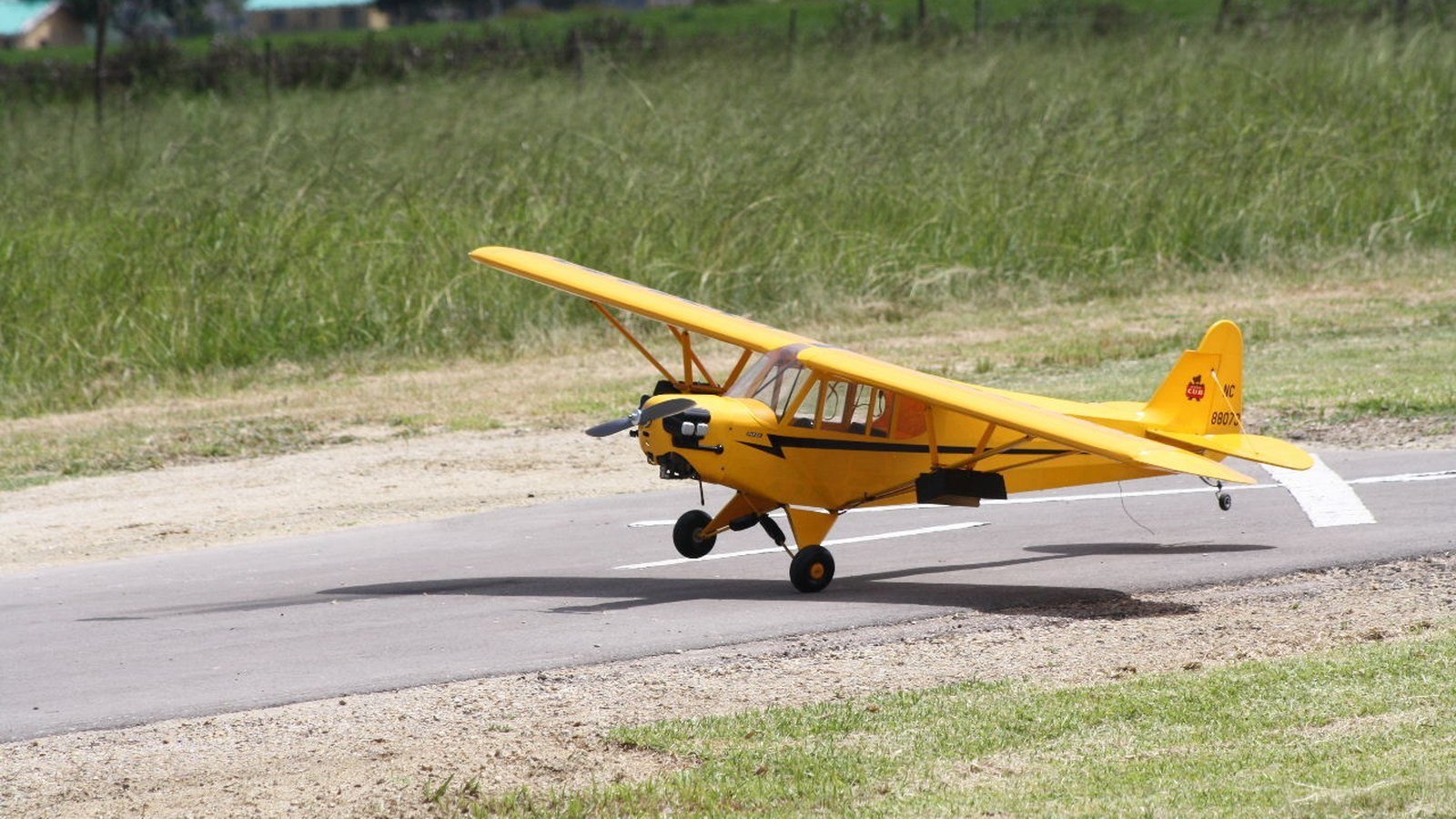
At the smaller end of the scale is the Cub. Piper’s own history says the Super Cub was launched in 1949 as a light aircraft modeled on the original Cub design but with a more powerful engine, an electrical system and flaps, and that it became popular for bush flying, agricultural work, banner and glider towing, and military use. The Smithsonian’s National Air and Space Museum adds that the PA-18 Super Cub was introduced in November 1949 with the ability to support up to a 150 hp (112 kW) engine.
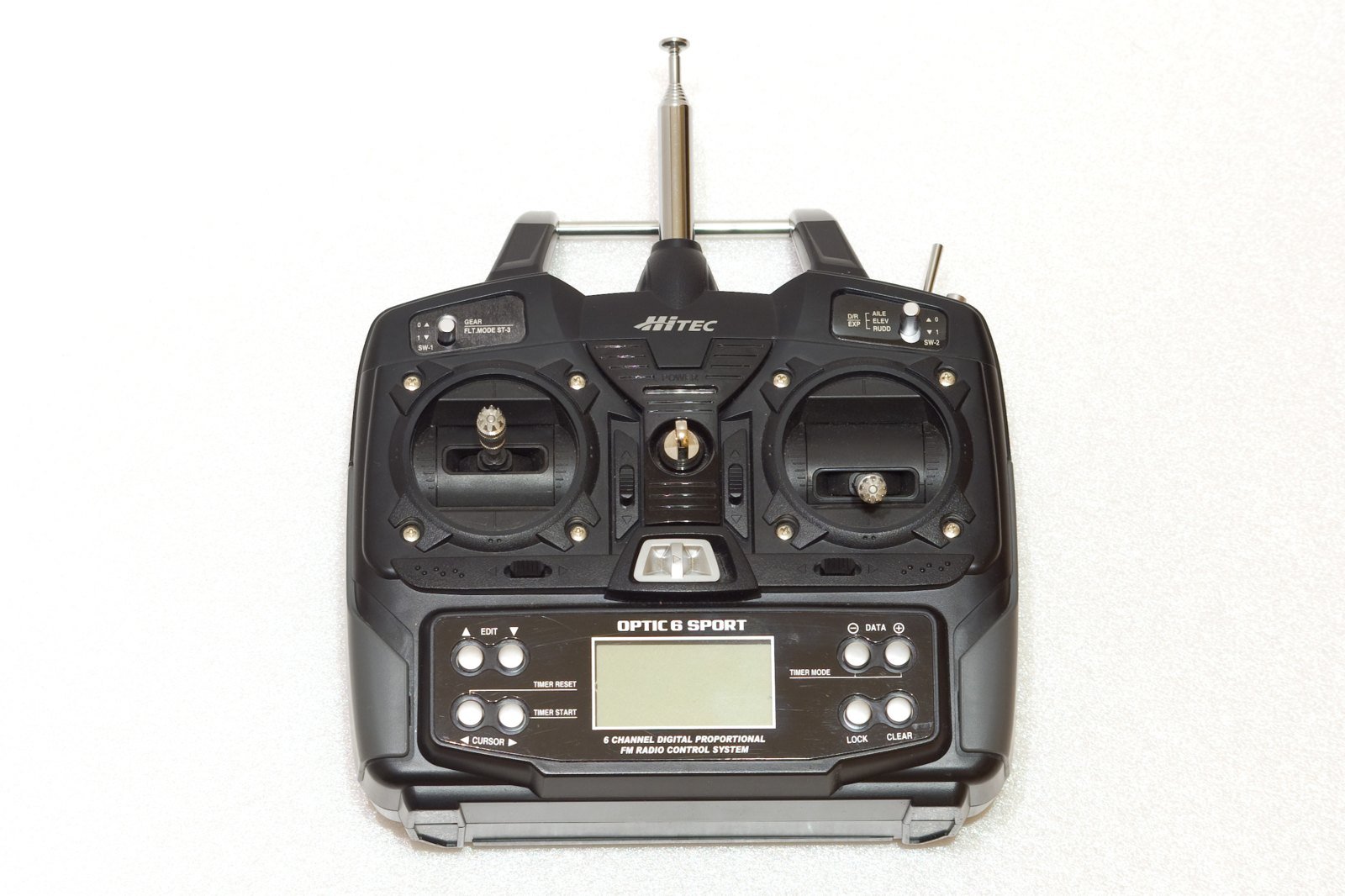
Light and simple, a Cub on floats is about as basic as water flying gets. If you’ve been reading our beginner’s guide to RC planes, you’ll know that Cub-style models are popular with RC flyers too, and some of the beginner models in that guide can even be fitted with optional floats.
Lake Hood Seaplane Base: The Busiest in the World
If you want to see Alaska’s floatplane culture in one place, head to Anchorage. Lake Hood Seaplane Base sits right beside Ted Stevens Anchorage International Airport and is part of the same state-run airport system. The FAA’s Alaskan Region fact sheet calls it the world’s largest and busiest seaplane base, and the only seaplane base in the U.S. with primary airport status.
Lake Hood is actually two connected lakes. According to the Fish & Wildlife Service history, Lake Spenard had been Anchorage’s seaplane base since the 1920s, but it was too small for fully loaded floatplanes. A canal connecting it to neighboring Lake Hood was completed in 1940, and the base has grown ever since.
Some numbers to give you a feel for the place:
- Operations. An economic impact study commissioned with the Anchorage Economic Development Corporation (AEDC) estimated 62,297 takeoffs and landings at Lake Hood in 2021, counting floatplanes on the lake and wheeled aircraft on the gravel strip. The FAA’s fact sheet reported 79,845 operations for the following year.
- Based aircraft. The same study counted about 1,000 single-engine aircraft and 33 multi-engine aircraft based at Lake Hood.
- Slips and tie-downs. Alaska DOT&PF says there are approximately 500 floatplane slips and 500 tie-downs for wheeled airplanes.
- Year-round flying. The study describes float operations in summer, ski operations in winter, and a gravel airstrip open all year. DOT&PF notes that when the lake freezes, more than 100 ski-equipped airplanes use the ice runway.

Visiting tip: the Alaska Aviation Museum is on the shore of Lake Hood. Its website lists four hangars of exhibits and vintage aircraft, a restoration hangar where volunteers work on a WWII Curtiss P-40, and the Seybert Tower, where you can watch seaplanes and listen to a live radio feed from the Lake Hood tower. Check the museum’s site for current opening hours before you go.
How to Take a Floatplane Ride in Alaska
You don’t need to be a pilot to enjoy all this. AEDC’s study says about 17,000 people took a flightseeing excursion from Lake Hood in 2021, and floatplanes also carry visitors to wilderness lodges, bear viewing and backcountry fishing.
Floatplanes are also one of the main ways into some of Alaska’s national parks:
- Katmai National Park & Preserve. The National Park Service says Katmai is almost exclusively accessed by plane or boat. The park headquarters is in King Salmon, about 290 air miles (about 470 km) southwest of Anchorage, and many visitors fly on to the park in a small aircraft, which may need floats depending on where you’re going.
- Lake Clark National Park & Preserve. About 120 air miles (about 190 km) southwest of Anchorage, Lake Clark isn’t on the road system, and the NPS says travel there is primarily by small plane, on wheels or floats depending on your destination.
The NPS says commercial operators in these parks are authorized by permit, and its park pages are the best place to start looking for one. When you book, choose an established, properly certificated operator, and build a few spare days into your plans: both park pages warn that weather delays are likely. The NPS also describes Alaska’s “circle of safety” idea, where passengers act as partners in a safe flight, so don’t be shy about asking polite questions or speaking up if something doesn’t feel right.
How to Earn a Seaplane Rating
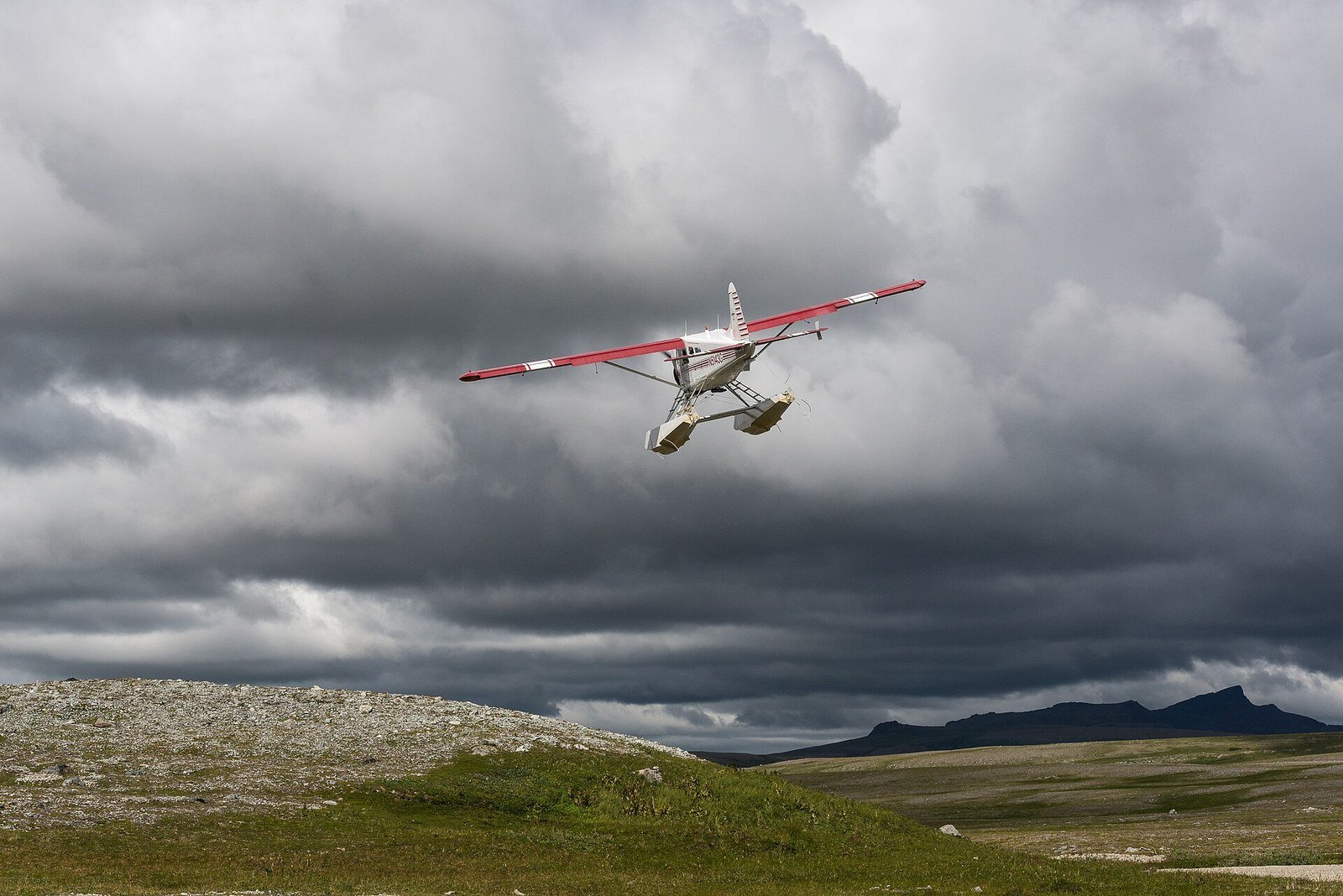
Already a pilot? A seaplane rating is one of the most fun add-ons in general aviation. In FAA terms, “airplane single-engine sea” is a separate class rating from the “single-engine land” rating most private pilots hold.
Under 14 CFR 61.63, adding a class rating to your pilot certificate means you:
- Get a logbook or training record endorsement from an authorized instructor saying you’re competent in the required knowledge areas and proficient in the required areas of operation.
- Pass the practical test (checkride).
You don’t have to meet the full training-time requirements for the certificate again, and you don’t need another knowledge (written) test if you already hold an airplane rating at that certificate level. Expect training on things land pilots rarely think about, such as reading wind and water, docking, step taxiing, and glassy-water and rough-water landings.
Good places to start:
- The FAA’s free Seaplane, Skiplane, and Float/Ski Equipped Helicopter Operations Handbook (FAA-H-8083-23), which covers the theory and techniques of water flying.
- The Seaplane Pilots Association’s seaplane flight school listings, organized by state, including Alaska.
Not a pilot yet? Our guide to the best aviation headsets for student pilots is a good first step, because whether you end up on wheels or floats, your ears will thank you.
Bring a floatplane home
Can’t get to Alaska this year? These Airmodels display models make a nice nod to water flying and to the state’s best-known airline: a Tiger Moth on floats and an extra-large Alaska Airlines 737 MAX.

de Havilland DH.82A Tiger Moth Royal Navy (1/72 scale)
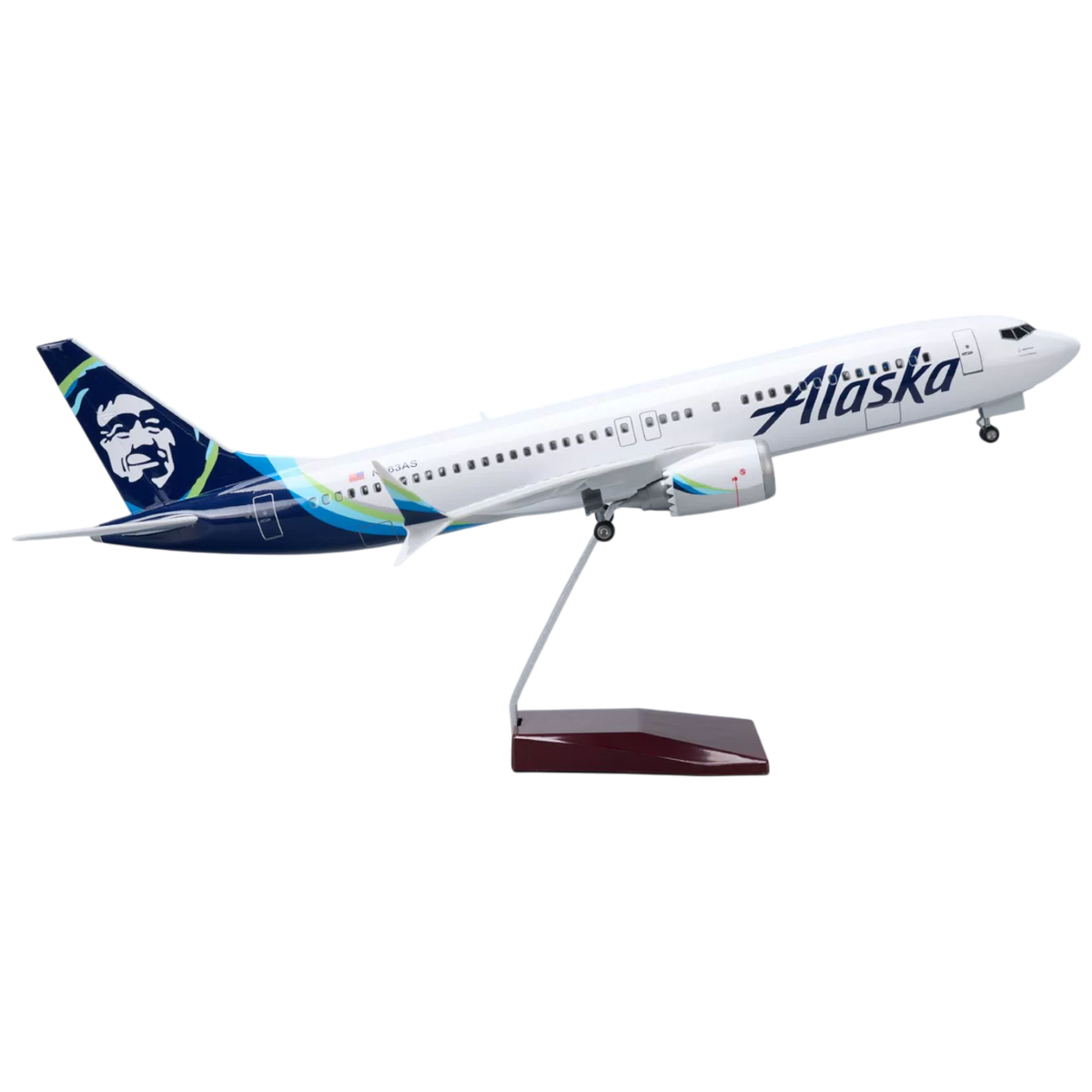
XL Alaska Airlines Boeing 737 MAX (1/85 scale)
About our links: these are affiliate links, so PlanesNStuff may earn a small commission at no extra cost to you.
Keep Exploring
If the Beaver’s story has you hooked on classic de Havillands, read about the de Havilland DH.84 Dragon and the Tiger Moth. And if you’d like to try water flying in miniature first, our beginner RC plane guide is the place to start.
Have you flown on floats in Alaska, or watched the evening rush at Lake Hood? We’d love to hear about it.
God bless you with blue skies!