When World War II ended, thousands of young men and women came home knowing how to fly. A handful of them, Christians from the air forces of the United States, Britain, Australia and New Zealand, began asking the same question at almost the same time: could aircraft that had done so much destruction now carry help and hope to the world’s most isolated people?
Out of that question grew a whole branch of aviation. This is Part 1 of our two-part series, covering how it all started.
Before the Fellowships: The First Mission Flights
The idea wasn’t new in 1945. The National Archives of Australia explains that the Reverend John Flynn, a Presbyterian missionary, started the Aerial Medical Service (now the Royal Flying Doctor Service) through the Australian Inland Mission, flying from Cloncurry, Queensland, in 1928. Its aircraft was a de Havilland DH.50 biplane supplied by Qantas and named Victory. In its first year it flew 28,129 km (about 17,480 miles) and attended 255 patients. We’ll tell that story in its own post.
In New Guinea, the Pacific Wrecks archive records that from 1935 a Junkers F 13 named Papua (VH-UTS) flew cargo and passengers to Lutheran mission airfields.
And in Central America, according to JAARS, the Bible translator William Cameron Townsend first thought about how helpful aeroplanes would be in missions in 1926, “while wearily slogging along a mountain trail”.
The Wartime Spark
The war turned scattered ideas into organisations. MAF International sums up the feeling of the time with a question from one of its founders, Murray Kendon, a New Zealander who had flown with the RAF:
“How is it that there is enough money to get thousands of planes into the air to kill and destroy, when only a handful are being used for missionary work?”
Similar groups formed independently in the US, Britain and Australia, so “MAF” has three sets of roots that grew up side by side.
MAF in America: Betty Greene and the Red Waco
In the United States, the story begins with a WASP. Elizabeth “Betty” Greene learned to fly as a teenager and served with the Women Airforce Service Pilots during the war. Wheaton College’s Archives & Special Collections, which holds MAF’s records, notes that she flew radar missions and test flights in B-17 bombers. She later called that wartime service good preparation:
“The best flight training the world had to offer women, which Uncle Sam paid me to take, was not unworthy preparation for a would-be missionary servant of Christ.”
A magazine article about her plans caught the eye of Jim Truxton, another Christian military pilot with the same vision. According to the Wheaton archivists, the two launched their new mission in Los Angeles, in office space donated by The Navigators, and it was incorporated on 20 May 1945 under Truxton’s leadership. It started out as the Christian Airmen’s Missionary Fellowship and later became Mission Aviation Fellowship.
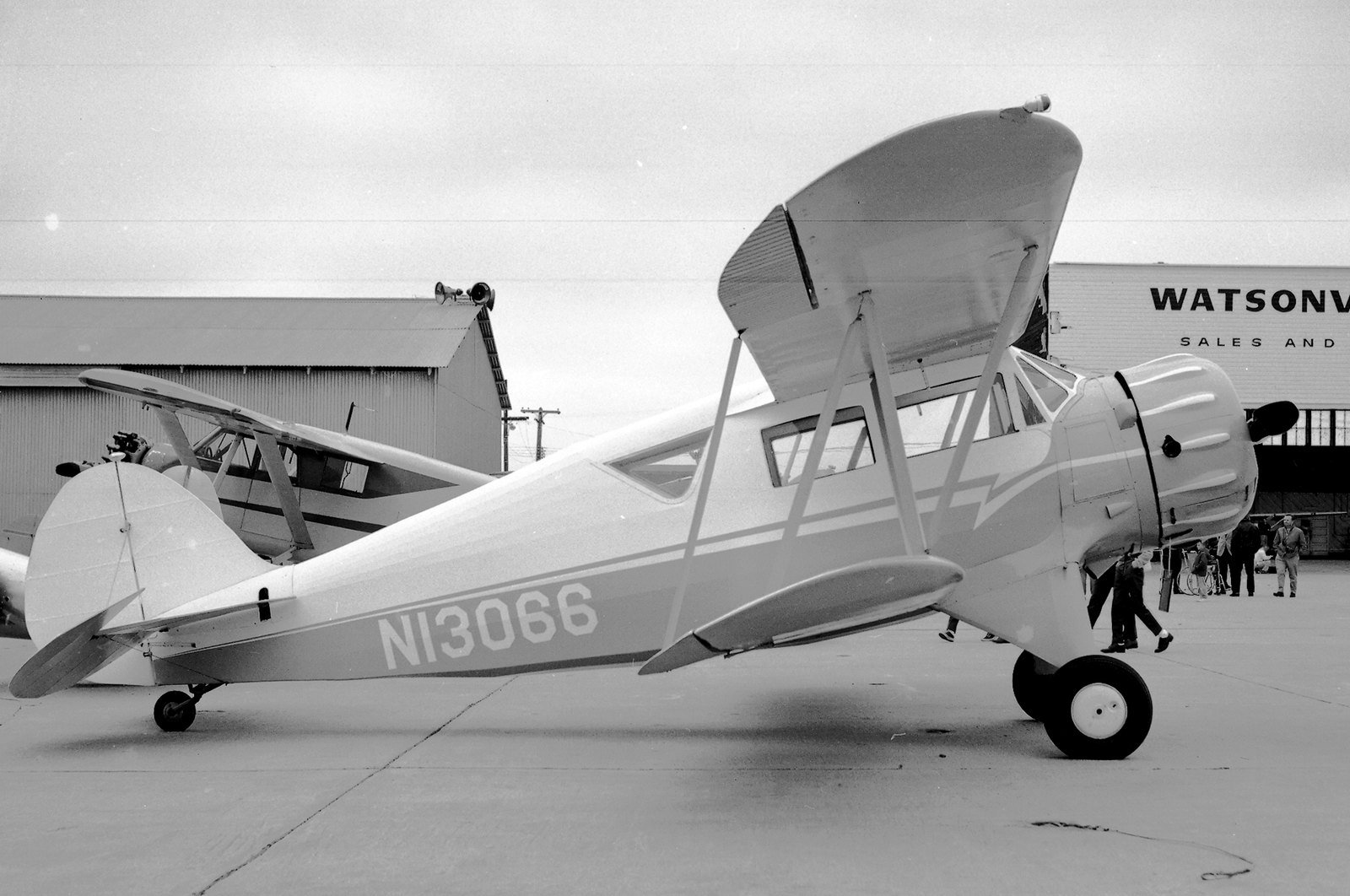
MAF records that on 23 February 1946, Greene took off from Los Angeles on the organisation’s first flight in “a red 1933 four-place-cabin Waco biplane”, carrying two Wycliffe Bible Translators workers. The trip had its moments: a precautionary landing at Tuxpan (the debris coming off the engine was just flaking paint), a storm, and an engine stoppage caused by water in the fuel, which she fixed by switching tanks. A week after leaving Los Angeles, she delivered Cameron Townsend himself to Tuxtla Gutiérrez in southern Mexico. MAF says she flew for it for 16 years, in 12 countries.
MAF in Britain: The Mildmay Pathfinder Goes to Africa
In Britain, Kendon set out his vision in 1945 in The Mildmay Outlook. Two RAF men read it and joined him: engineer Stuart King and pilot Jack Hemmings AFC, who MAF UK says had led 353 Squadron, flying Hudsons and C-47 Dakotas.
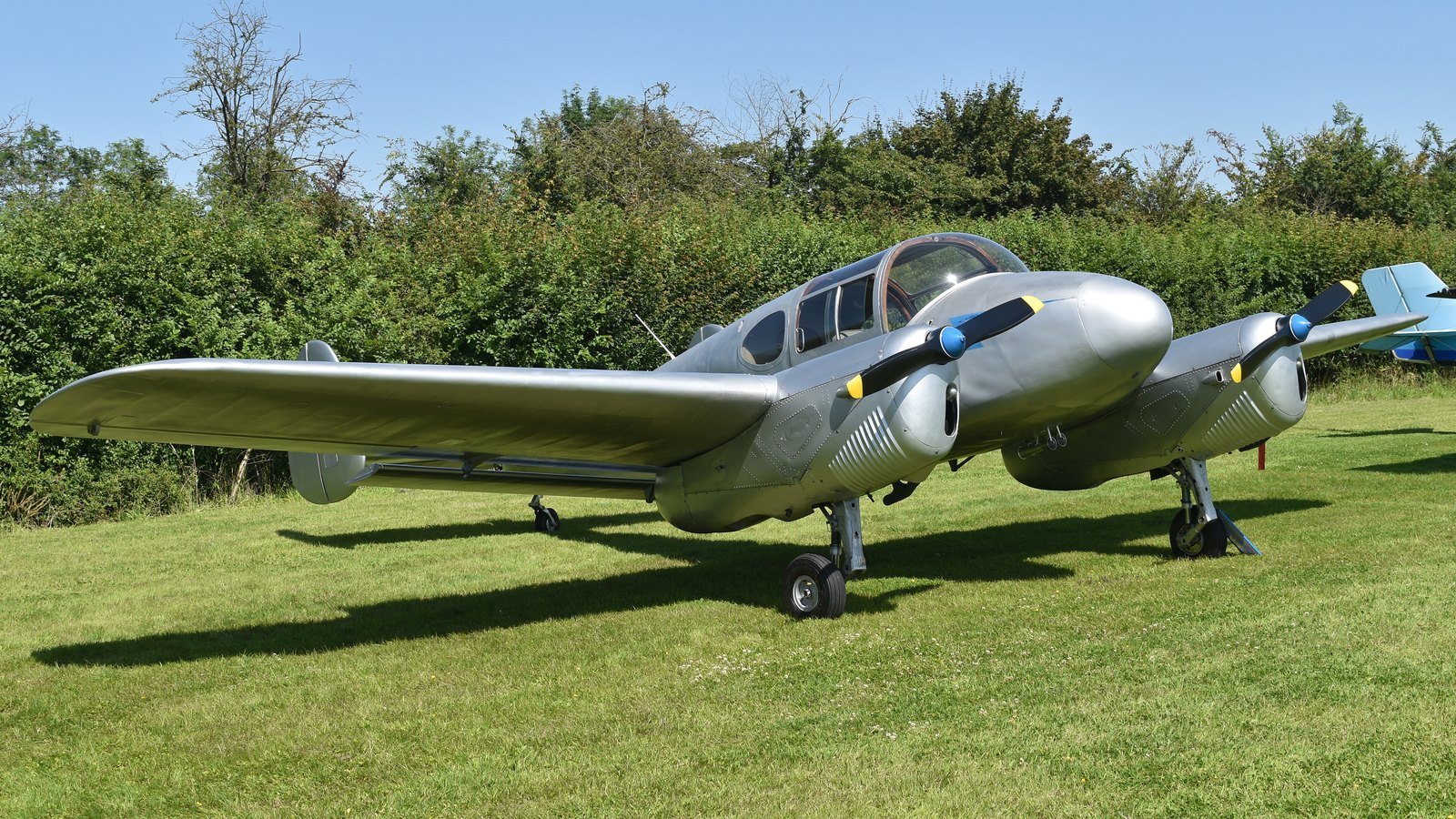
The group raised money for a twin-engined, four-seat Miles Gemini, named the Mildmay Pathfinder after its sponsor, the Mildmay Movement. On 13 January 1948, Hemmings and King took off from Croydon to survey central Africa, following the Nile to Kenya. MAF UK says they met more than 500 remote missionaries, and King’s account describes one loop of 3,000 miles (about 4,800 km) from Nairobi across the Congo.
The survey ended in the Burundi foothills, when the Gemini couldn’t climb to the 8,500 feet (about 2,590 m) it needed and a headwind pushed it into a banana tree. Both men survived, and Hemmings earned the nickname “Crasher Jack”. A de Havilland Rapide was bought for Sudan in 1949, and MAF’s Sudan programme launched in 1950.
MAF in Australia: From a Melbourne Bible College to New Guinea
The Australian branch began in a classroom. According to the Melbourne School of Theology, three ex-servicemen met as first-year students at Melbourne Bible Institute in 1946: Kittyhawk pilot Bruce Morton, Coastal Command Liberator pilot Harry Hartwig and pilot and wireless air gunner Ken Cooper. On 30 June 1947, a public meeting resolved to “form an autonomous body called Missionary Aviation Fellowship” and to ask to affiliate with the English and American fellowships.
In a history for Australian Flying, former MAF pilot Ron Watts says the first aircraft was an ex-RAAF Avro Anson. It was sold after the Department of Civil Aviation raised doubts about its wooden wing. A humbler Tiger Moth followed, and in August 1949 Hartwig and Alex Freind used it to survey northern Australia. A second survey led to a base at Madang, New Guinea, with the Lutheran Mission as the main user.
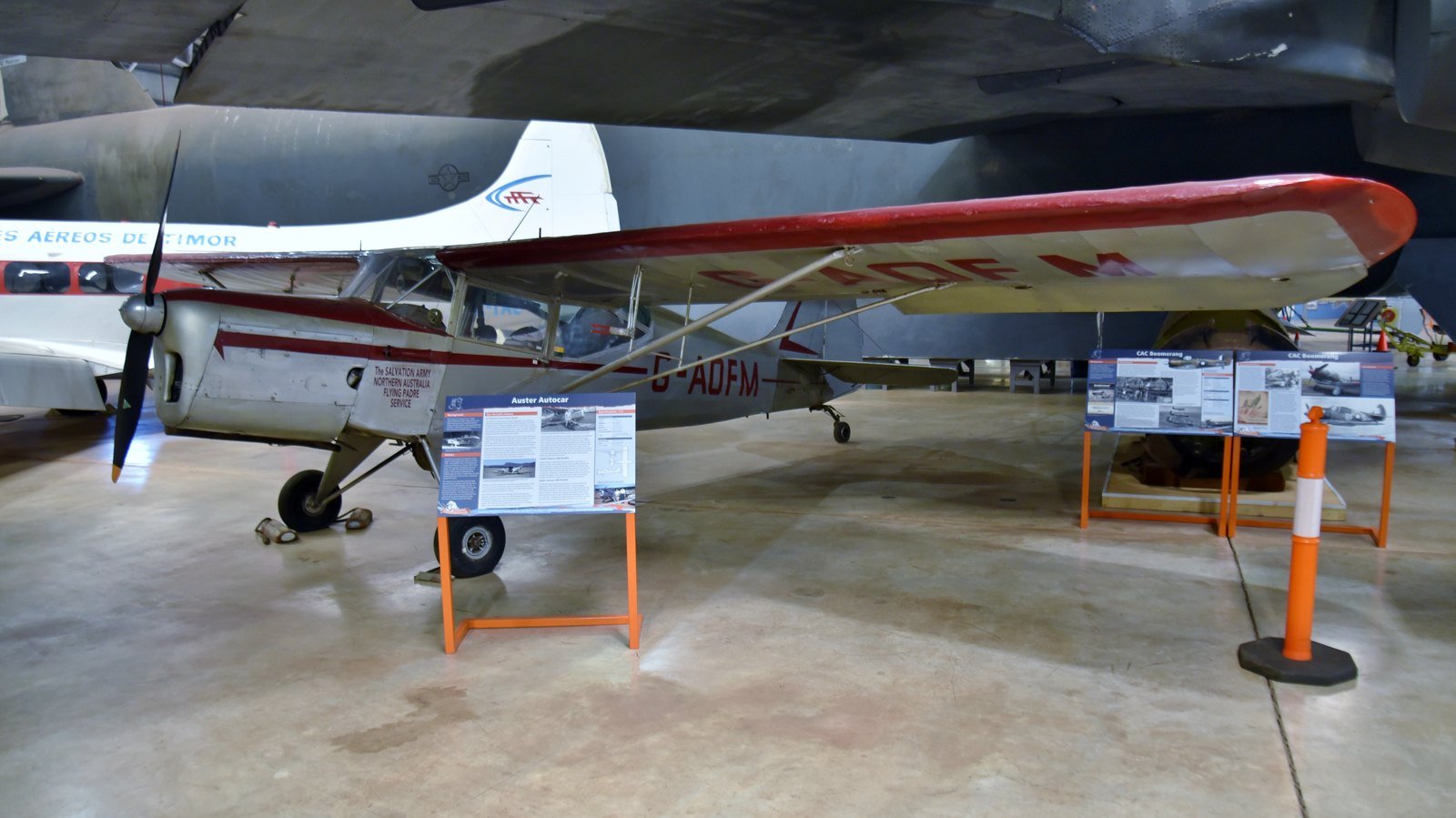
MAF Australia records that in April 1951, Hartwig and American engineer and pilot Bob Hutchins ferried an Auster Autocar from Bankstown to Madang. Watts describes the Auster as “simple and rugged, with reasonable short field performance”. Its 120 hp (about 89 kW) Gipsy Major was modest even then. Not long before he died, Hartwig wrote in a report:
“A local knowledge of the weather and topography is essential, and familiarisation flights will be of great value in this respect”
On 6 August 1951, he was killed when his Auster crashed in the Asaroka Gap on the way back to Madang. The Australian board turned to MAF in the US, and in 1952 American Grady Parrott and the Lutheran Mission’s Cessna 170 VH-AMF got the service flying again.
Nate Saint and Operation Auca
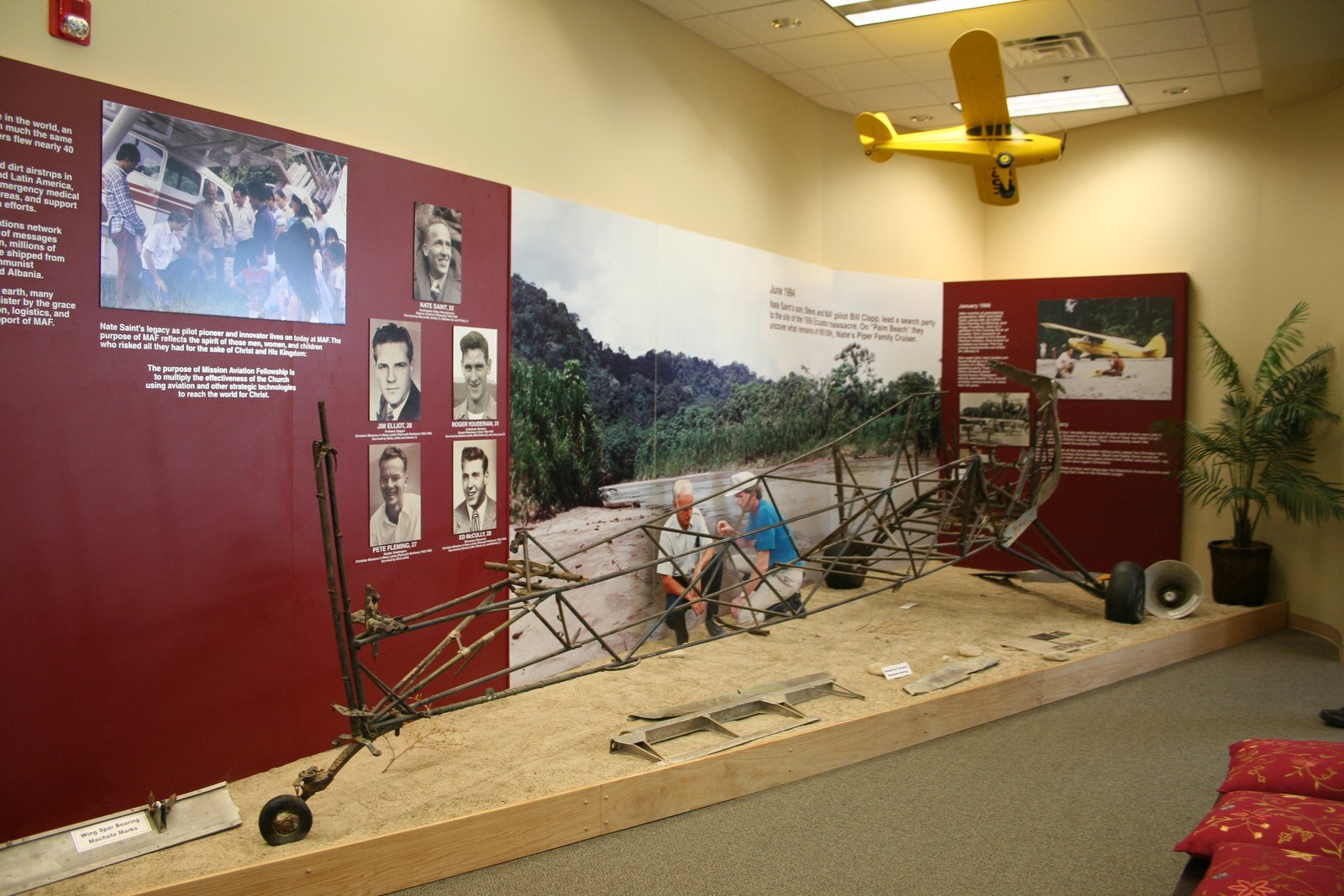
The best-known name of the early years is an American. Nate Saint was grounded from military flying by a recurring leg infection. He applied to the Christian Airmen’s Missionary Fellowship in January 1945, according to Wheaton’s archives. He and his wife, Marjorie, then opened MAF’s base at Shell Mera in Ecuador in 1948. MAF says he spent eight years there flying medical supplies, supporting missionaries and helping isolated villages.
Using a “bucket drop” technique he developed, circling so that a bucket on a line hung almost still, Saint and four colleagues, Jim Elliot, Pete Fleming, Ed McCully and Roger Youderian, passed gifts to the isolated Waorani people. In January 1956, MAF says, Saint landed a “bright yellow Piper Family Cruiser” on a sandbar on the Curaray River that the men called Palm Beach. On 6 January the missionaries had a friendly meeting with three Waorani. On 8 January all five men were speared to death.
MAF says several of the men involved later became Christians, and the story inspired a generation to volunteer for mission aviation.
JAARS: Wings for Bible Translators
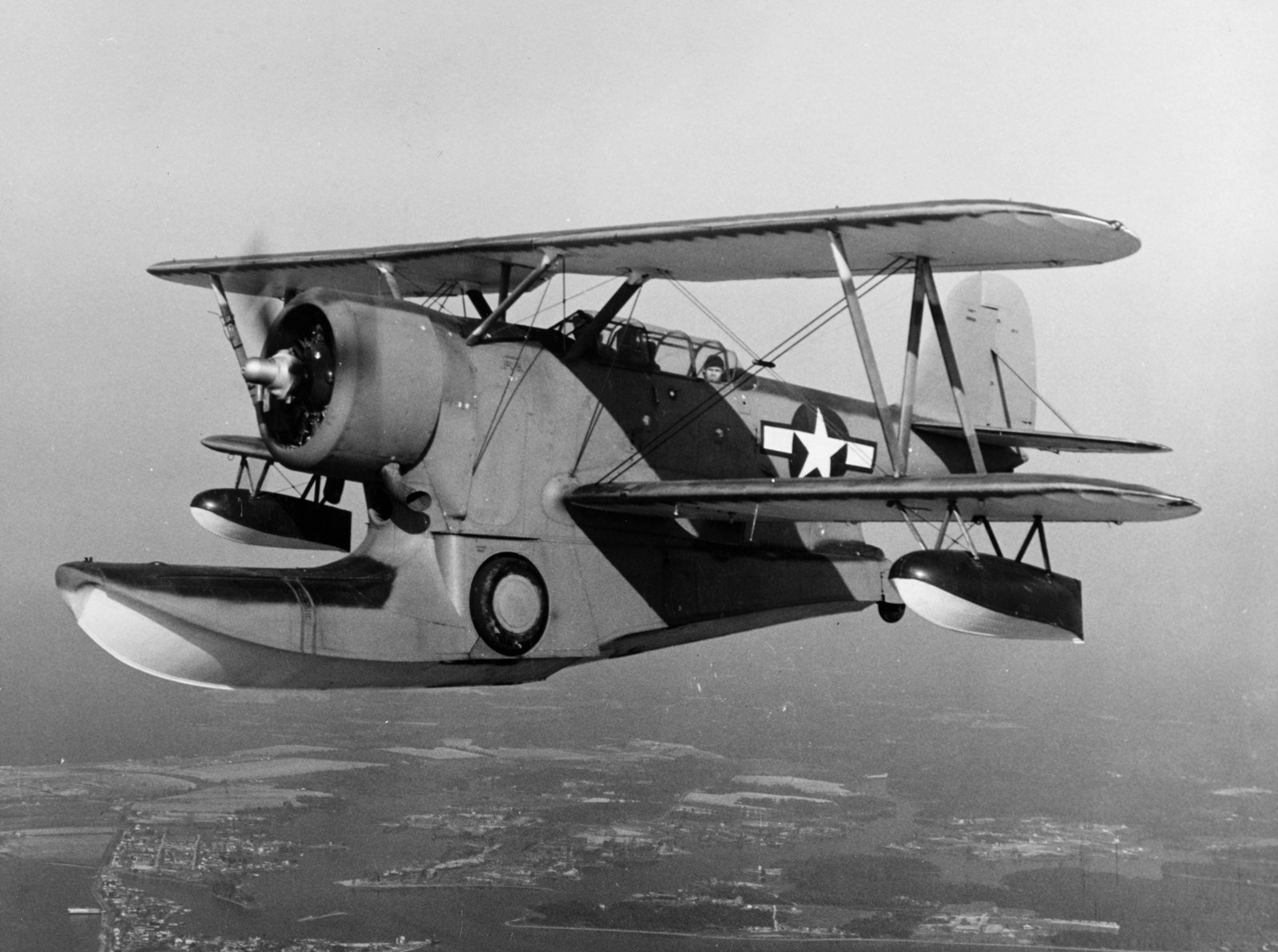
Townsend’s dream took shape in Peru. JAARS tells how translators Titus and Florence Nickel spent 21 days getting back to base by boat, on foot, by mule and by truck in 1946 when a supply plane never came. Later SIL pilot Larry Montgomery flew them back in a Grumman Duck amphibian in less than two hours. Townsend declared: “No more translators should go into the jungles of Peru until they can be assured of adequate transportation service.”
Then in 1947, JAARS says, Townsend, his wife Elaine and their six-week-old daughter survived a serious aviation accident in southern Mexico. The following year Wycliffe’s board approved the Jungle Aviation and Radio Service. SIL Global gives the founding date as 23 July 1948. A gift funded land at Yarinacocha in Peru, and JAARS says that little more than a decade later the hangar there housed nine aircraft.
In 1961 the businessman Henderson Belk gave 256 acres (about 104 hectares) outside Waxhaw, North Carolina, for a US headquarters. AOPA Pilot reported in October 2026 that the JAARS base has since grown to more than 630 acres (about 255 hectares). In 2022, JAARS changed its name to Jungle Aviation and Relay Service to reflect a renewed focus on air, land and sea transport.
New Tribes Mission and the Road to Ethnos360 Aviation
New Tribes Mission was founded in 1942 by Paul Fleming, Cecil A. Dye, Lance B. Latham and M. Robert Williams. Ethnos360 Aviation says Fleming became convinced after the war that aeroplanes were “coming into the world picture” and that NTM should use them. The first aircraft taken overseas was a four-seat 1947 Stinson Voyager.
In 1949 it bought a used DC-3 and then a surplus C-47 to fly groups of missionaries to their fields. Both were lost in 1950. On 9 June, the Tribesman crashed into a mountain on the Colombia–Venezuela border while flying missionaries to South America. On 21 November, the replacement Tribesman II hit Mount Moran, a 12,605 ft (3,842 m) peak in Wyoming’s Grand Tetons, in a storm. Fleming and 20 others were killed. Ethnos360 Aviation says no other large aircraft were bought after that.
Some missionaries kept flying their own small aircraft, but the mission needed common standards and technical support. In 1969, NTM asked two experienced aviators, Jim Ferguson and Forest Estelle, to form Tribal Air/Communications at Jersey Shore, Pennsylvania. They started with a single 1953 Piper Pacer and an airstrip cut out of a cornfield. The department later became NTM Aviation. New Tribes Mission USA became Ethnos360 in 2017, and in December that year NTM Aviation became Ethnos360 Aviation.
The Aircraft of the Early Years
The early fleets were a mixed bag:
- Cabin biplanes and classic twins: Greene’s 1933 Waco, the British Miles Gemini and the de Havilland Rapide bought for Sudan.
- Fabric-covered light singles: MAF says Piper Cruisers, Piper Pacers and Stinson Voyagers started its earliest programmes in Mexico and Central and South America. The Australians used Tiger Moths and Austers.
- Amphibians: the Grumman Duck that carried the first JAARS translators in Peru.
- War-surplus transports: NTM’s DC-3 and C-47, plus Australia’s short-lived Avro Anson.
MAF Australia’s timeline shows how quickly things moved on: Cessna 170s from 1952, the Cessna 185 in 1962 and the turbocharged Cessna 206 in 1968.
Bring a piece of the early years home
Two aircraft from this story are available as display models: the de Havilland Rapide, the type MAF bought for its first programme in Sudan, and the Avro Anson, the first aircraft bought by MAF in Australia. These models are in wartime military markings, not mission colours.

de Havilland DH.89 Dragon Rapide USAAF (1/72 scale)

About our links: these are affiliate links, so PlanesNStuff may earn a small commission at no extra cost to you.
Further Reading
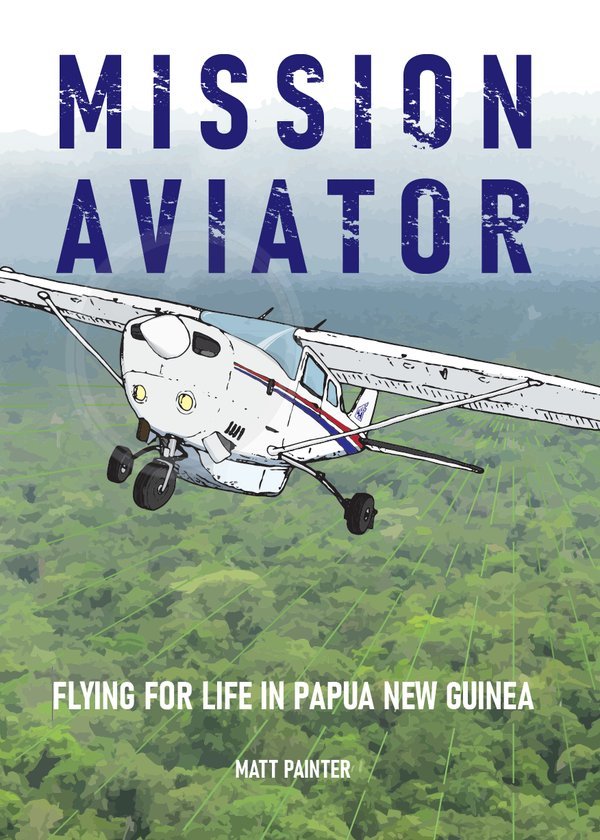
Mission Aviator by Matt Painter collects his experiences flying with Mission Aviation Fellowship (MAF) in Papua New Guinea. The MAF Gifts shop describes it as a “pilot’s-eye view” of medevacs and routine flights through challenging weather and mountainous terrain. (This isn’t an affiliate link.)
More books on mission aviation
- Above and Beyond: The Illustrated Story of Mission Aviation Fellowship by Mission Aviation Fellowship (MAF UK). A lavishly illustrated, decade-by-decade history of Mission Aviation Fellowship’s work with isolated communities and in disaster response, with a foreword by Archbishop Justin Welby. Amazon US | Amazon AU
- For a Time Like This: Managing mission aviation in modern Papua New Guinea by Michael A. Jelliffe. The true story of the author’s years managing a mission aviation programme in Papua New Guinea from 2005 to 2007, including the operational and leadership challenges that followed two fatal accidents. Amazon US | Amazon AU
- Hope Has Wings: The Mission Aviation Story by Stuart Sendall-King. Stuart Sendall-King’s history of Mission Aviation Fellowship, published by MAF UK in a seventh edition in 2013. Amazon US | Amazon AU
- Adventures in the Rotor Wind: From the Office to the Jungle by Elke Kummer. Elke Kummer’s account of leaving office life to join Helimission, and of long-term mission work in Papua among remote communities. Amazon US | Amazon AU
- Beneath Blades: Flying at the Ends of the Earth – a Pilot’s Journal by David H. Earley. David H. Earley’s journal of 46 years flying helicopters and fixed-wing aircraft in more than 18 countries, including Papua New Guinea, Indonesia and Vietnam, with photographs, maps and aircraft details. Amazon US | Amazon AU
As an Amazon Associate I earn from qualifying purchases.
Part 2: Mission Aviation Today
Part 2 is now live: Mission Aviation Today: From Cessnas to Kodiaks. Follow the story from fabric-covered Pipers to today’s turbine Kodiaks and Caravans.
Keep Exploring
The Tiger Moth that surveyed northern Australia for MAF was the same trusty trainer we covered in our Tiger Moth history. The de Havilland Dragon that MAF Australia considered for New Guinea is the subject of our DH.84 Dragon feature. And for another place where small aircraft are a lifeline, read about floatplanes in Alaska.
Do you have a family connection to the early days of mission aviation? We’d love to hear your story.
God bless you with blue skies!

Leave a Reply