Tag: JAARS

  • Mission Aviation Today: From Cessnas to Kodiaks

    Mission Aviation Today: From Cessnas to Kodiaks

    In Part 1, Mission Aviation: The Early Years, we met the post-war pilots who started it all: Betty Greene and her red Waco, the Mildmay Pathfinder in Africa, Harry Hartwig’s Auster in New Guinea, Nate Saint, and the first JAARS and New Tribes Mission aircraft.

    This is Part 2. Eighty years on, the fabric-covered Pipers have given way to turbine Kodiaks and Caravans, glass cockpits and flight simulators. The goal those founders had hasn’t changed, though: getting people and supplies to places roads don’t reach. Here’s how mission aviation works today.

    From Fabric to Aluminium: The Cessna Years

    MAF in the United States describes 1965 to 1990 as its “growing years”. Fabric gave way to aluminium, and small Cessnas became the workhorses. In Indonesia, Cessna 185s and 206s “nearly doubled the range and load” of the earlier aircraft. One of them, a brand-new C185 registered PK-MCB, opened MAF’s West Kalimantan programme in 1969 and became known as “Charlie Brown”. In 1976, MAF added helicopters in Papua, Indonesia, so missionaries could survey unreached areas and live remotely until an airstrip was built.

    In Papua New Guinea, the MAF Australia timeline shows the fleet growing well beyond single-engine Cessnas. A Beechcraft Baron arrived in 1974 as MAF’s first twin for mainland PNG. A Cessna 402C followed in 1981 for longer routes, and in 1986 the de Havilland Canada Twin Otter, an 18-passenger aeroplane, “massively boosted” what the programme could carry. Britten-Norman Islanders also joined in the late 1980s.

    The aircraft that defined the era, though, was the Cessna 206. MAF US still calls it “the mainstay of the MAF fleet for many years”. Most mission 206s are U206s. The “U” means Utility, and the big feature is a wide double cargo door. MAF International says its 206s have been modified for bush flying with upgraded wheels and brakes, larger tyres, and a V-shaped brace in the windscreen area to strengthen the cabin.
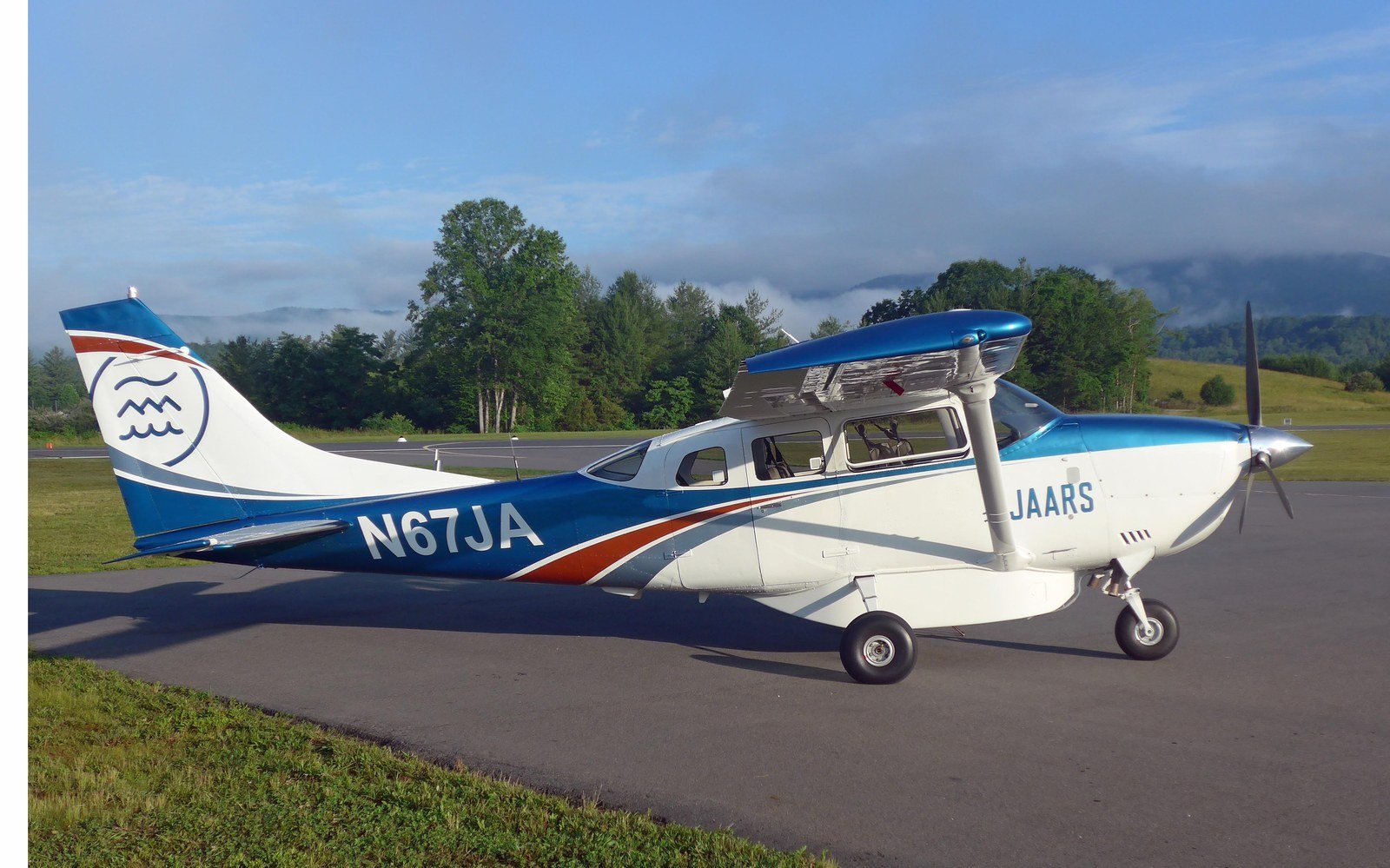
    A white, blue and red JAARS Cessna 206, registration N67JA, parked on a taxiway with wooded hills behind.
    A JAARS Cessna 206 used for training in 2017. The 206 was the mainstay of mission fleets for decades. Photo: Tothemorning23, CC BY-SA 4.0, via Wikimedia Commons.

    The Avgas Problem

    So why change a good thing? Fuel. Piston engines like the 206’s burn avgas, which is scarce and expensive in many of the countries where missions fly. MAF says its newer turbine aircraft burn jet fuel, which is easier to get overseas. MAF International now has 206s in just two of its African programmes, because avgas makes them less cost-effective.

    Not every solution is a turboprop. MAF also flies Cessna 182s fitted with a French SMA SR305 diesel engine that runs on jet fuel. It carries three passengers, and MAF says it lets small teams reach communities where a bigger aircraft wouldn’t make financial sense.

    The Cessna Caravan: Backbone of the Fleet

    MAF UK calls the Cessna 208 Caravan “the backbone of MAF’s fleet”. Textron Aviation says the current Caravan has a 675 hp (about 500 kW) Pratt & Whitney Canada PT6A-114A turboprop and rough-field tyres and landing gear for grass and gravel strips. MAF adds its own bush kit: sturdy landing gear, larger tyres, mud flaps, a rubber scraper for the nose tyre and a slightly longer nose leg to keep mud and stones away from the propeller. Its Caravans are fully equipped for instrument flying, with GPS, weather radar and a Stormscope.

    According to MAF International, most of its Caravans are the stretched Grand Caravan (C208B), which can carry up to 13 passengers or up to 1,200 kg (about 2,650 lb) of cargo. It also flies amphibious Caravans on Wipaire floats in Papua New Guinea and Uganda.

    PNG shows how complete the change has been. MAF Australia says the first Caravan joined the PNG fleet in 2008 and has since become the programme’s only aircraft type. In 2024, the amphibious Caravan P2-WET began serving PNG’s Western Province. That same year, MAF’s impact report says, it ordered five new Caravans from Textron. The first was delivered in April 2024 and prepared at MAF’s engineering centre in Mareeba, Queensland. One of the new aircraft, P2-AFD, which is bound for PNG, is the Caravan in our featured photo, on display at the 2025 Australian International Airshow at Avalon.

    The Kodiak: A Bush Plane Designed for Missions

    The Kodiak is the one aircraft in this story that was designed with mission flying in mind. AOPA reported in 2009 that its story began in the mid-1980s, when MAF pilot David L. Voetmann described the aeroplane he needed for African bush country to designer Tom Hamilton (of Glasair and GlaStar fame).

    Aviation Week says MAF helped Quest Aircraft’s founders in 1998 by raising seed money from other mission groups. The partners named in the 2009 launch announcement included JAARS, New Tribes Mission, Adventist World Aviation, Samaritan Aviation, Mercy Air South Africa, Asas de Socorro and Moody Bible Institute. In return, Quest planned to supply one aircraft at cost to a mission organisation for every 10 it sold commercially.

    MAF took delivery of its first Kodiak 100, serial number SN0011, on 19 March 2009, and it went to Papua, Indonesia. AOPA picked out some telling details: it burns jet fuel rather than avgas, it’s rugged enough for rough mountainside strips, and its exhaust pipes point backwards rather than down so they won’t set tall grass alight. MAF UK says the Kodiak produces up to 750 hp (about 560 kW) for take-off and can use the same short strips as a Cessna 206 while carrying twice the cargo.

    Daher, maker of the TBM, announced in June 2019 that it was buying Quest. Daher describes the Kodiak 100 as “originally created for humanitarian missions in developing countries”. Today’s Kodiak 100 uses a PT6A-34 turboprop, and its Garmin flight deck includes synthetic vision and terrain information, a big step from the bare panels of the 1940s. MAF US now lists 12 Kodiaks in its fleet, and MAF UK says its Kodiaks are based in Indonesia.
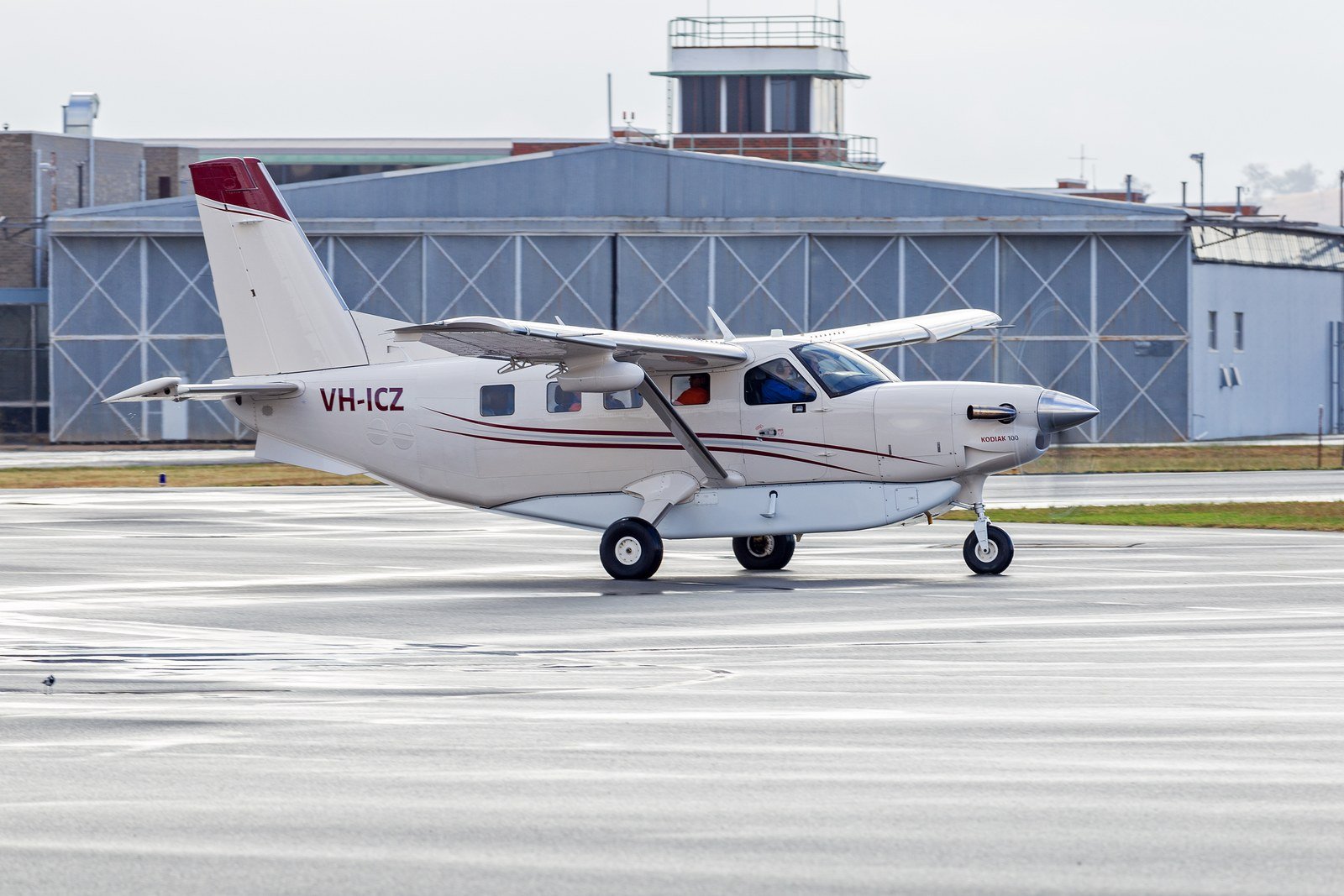
    A white Quest Kodiak 100 single-engine turboprop with a large cargo pod taxiing on a wet apron in front of a hangar.
    A Quest Kodiak 100 (VH-ICZ) at Wagga Wagga, NSW, in 2024. This is a privately operated aircraft, not a mission Kodiak, but it shows the type MAF helped bring into being. Photo: Robert Myers, CC BY-SA 3.0 AU, via Wikimedia Commons, file “Kenway & Clark Allfarm (VH-ICZ) Quest Kodiak 100 taxiing at Wagga Wagga Airport.jpg”.

    Porters, PC-12s, Airvans and Helicopters

    • Pilatus PC-6 Porter: Pilatus built the Porter at Stans, Switzerland, from 1959. The company says it made 500 there, with slightly fewer than 100 more built under licence in the USA. AIN reports that the last one was delivered on 12 December 2022, after a 63-year production run, and when it announced the end of production, Pilatus promised to support existing Porters for at least another 20 years. JAARS still lists a Porter in its fleet.
    • Pilatus PC-12: MAF’s 2024 fleet count includes one PC-12. Pilatus says the type can use short runways and unmade grass, gravel or snow strips, with room for up to nine passengers.
    • GippsAero GA8 Airvan: an Australian design. MAF International says it was conceived to bridge the gap between the Cessna 206 and the Caravan. It joined MAF’s PNG fleet in 2005 and now flies in Arnhem Land and Timor-Leste, among other places.
    • Helicopters: JAARS operates Robinson R66 and Bell 206 LongRanger helicopters, and Ethnos360 Aviation flies R66s and one Bell LongRanger.

    The Organisations Today

    Mission Aviation Fellowship

    MAF’s 2024 impact report counts a global fleet of 117 light aircraft serving in 24 countries, and MAF UK says it flies for about 1,500 aid, development and mission organisations. Most of that fleet is Cessnas, along with the Kodiaks, GA8 Airvans and a single PC-12.

    MAF UK’s timeline gives a sense of how much has happened since the early days. In 1984 MAF flew the BBC’s Michael Buerk and cameraman Mohamed Amin to report on the Ethiopian famine, a report that helped lead to Live Aid. It responded to the 2004 Boxing Day tsunami in Aceh, deployed its first Kodiak to Indonesia in 2009, and more recently has delivered Covid-19 vaccines and flown relief during the conflict in Sudan.

    For Australians, MAF Arnhem Land is close to home. It started in 1973, and MAF Australia says it now flies six GA8 Airvans and two Caravans to about 50 community airstrips. It carries over 13,000 passengers a year and runs the region’s only scheduled shuttle flights. MAF UK highlights Yingiya Guyula, trained by MAF Arnhem Land as the world’s first Yolngu aircraft engineer and pilot. And in 2026, MAF Papua New Guinea marks 75 years since Hartwig’s Auster arrived in Madang.

    MAF US, based in Nampa, Idaho, lists 13 Cessna 206s, 11 Caravans, 12 Kodiaks, a Cessna 210 and three Cessna 172s. It says the fleet flies over a million miles (about 1.6 million km) a year.

    JAARS

    JAARS still works from its base at Waxhaw, North Carolina. A feature in AOPA Pilot, published in October 2026, says its fleet includes the Cessna 206 and Caravan, Helio Courier, Kodiak and Pilatus Porter, plus Bell 206 LongRanger and Robinson R66 helicopters.

    The Helio Courier is a JAARS trademark. JAARS describes it as a “practically unstallable” taildragger with leading-edge slats, big Fowler flaps and “interceptor” devices on top of each wing for extra control. In 2010, General Aviation News reported that JAARS had about a dozen Couriers, the largest fleet in the world, and built almost all of its own replacement parts because the manufacturer had long since closed. The same article noted that JAARS’s first Kodiak had been flying in New Guinea since September 2009.

    Today JAARS-trained pilots and mechanics serve with partners around the world: SAM Air in Peru, Asas de Socorro in Brazil, SIL Aviation Cameroon, Aviation Médicale de Bongolo in Gabon, AIM Air in Kenya and Uganda, YAJASI in Papua, Indonesia, and JAARS Papua New Guinea in the Eastern Highlands.
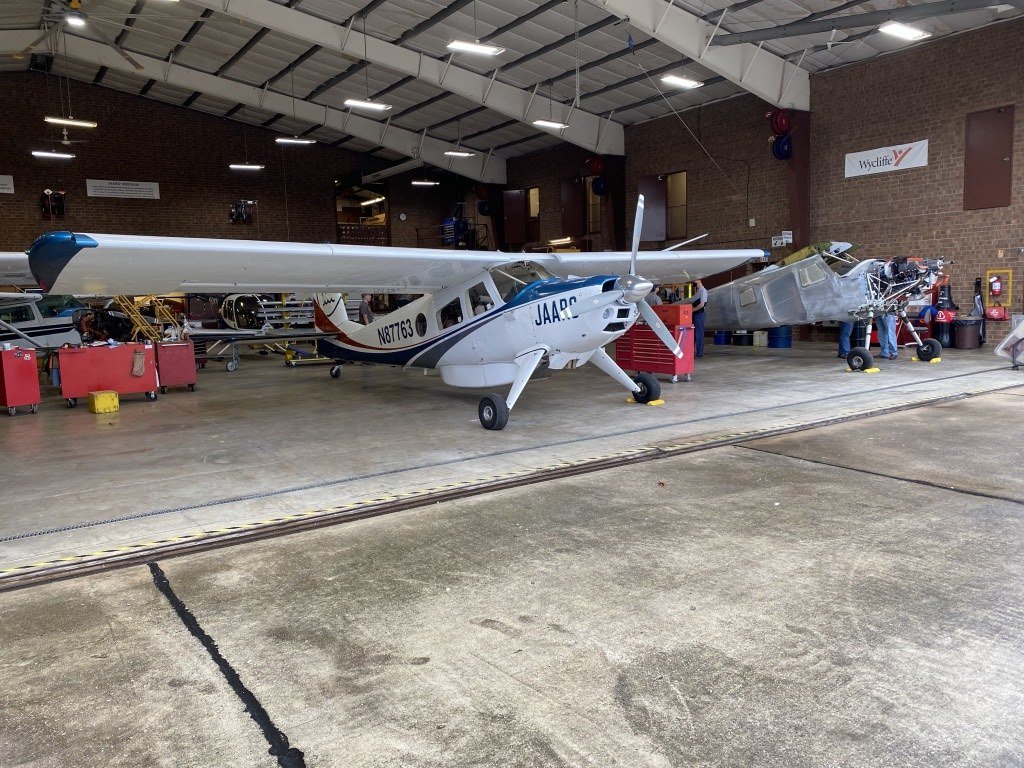
    A blue and white JAARS Helio Courier taildragger parked inside a large hangar, with a second Helio under maintenance behind it.
    Helio Couriers in the hangar at the JAARS Center, Waxhaw, North Carolina, in 2022. Photo: NCMission, CC BY-SA 4.0, via Wikimedia Commons.

    Ethnos360 Aviation

    The aviation arm of the former New Tribes Mission is now based in McNeal, Arizona. Ethnos360 Aviation says it flies Daher Kodiaks and Robinson R66s, plus one Bell LongRanger, with a single Cessna 206 kept for training. It supports church-planting teams in Brazil, the Asia Pacific region, Papua New Guinea and the Philippines.

    Its pitch is simple: a trip that could take “four to five days by land” might take 30 minutes by air. Ethnos360 Aviation says it also works to keep flights affordable for national and indigenous missionaries, not only expatriates.

    Other Operators

    MAF, JAARS and Ethnos360 Aviation are far from alone. The International Association of Missionary Aviation says more than 70 mission agencies, training schools and individuals belong to it, and that “several hundred airplanes and helicopters” fly in mission service. Some other names you’ll come across are AIM Air in East Africa, SAM Air in Peru, YAJASI in Indonesia, Asas de Socorro in Brazil (which MAF UK’s timeline lists as MAF Brazil, launched in 1956), Adventist World Aviation and Samaritan Aviation.

    Safety and Training: The Real Workhorse

    If one thing separates today’s mission flying from the early years, it’s the safety system wrapped around every flight. MAF International says it complies fully with each country’s aviation regulations, benchmarks itself against International Civil Aviation Organization (ICAO) requirements, and monitors safety through Safety and Quality management systems.

    Training pipelines. MAF opened its Mission Aviation Training Centre in the Netherlands in 2010 and the MAF Training Centre at Mareeba, Queensland, in 2015. In December 2024, MAF International signed a deal with Euramec to build a Grand Caravan flight simulator. MAF says simulators at its Dutch and Australian flight schools will replace about 800 aircraft flight hours. Local training has a long history too. MAF set up a Flight Training Centre at Mount Hagen, PNG, in 1986, and in 1999 graduate Hagar Kuliniasi became the first Papua New Guinean to hold a PNG Flight Instructor Rating.

    At JAARS, candidates first sit a ten-day Technical Evaluation, then a four-month Pre-Field Orientation, with instructors who between them have more than 500 years of mission-aviation experience. AOPA Pilot describes the “Mountain Week” capstone at Avery County Airport, which JAARS has used for training since 1974. There, trainees spend 10 days flying among ridges, fog and steep strips near Grandfather Mountain. Ethnos360 Aviation starts with a week of technical evaluation in Arizona, followed later by nine months of advanced training in McNeal. That includes short-field mountain flying, a Kodiak simulator, sling-load work and maintenance training.
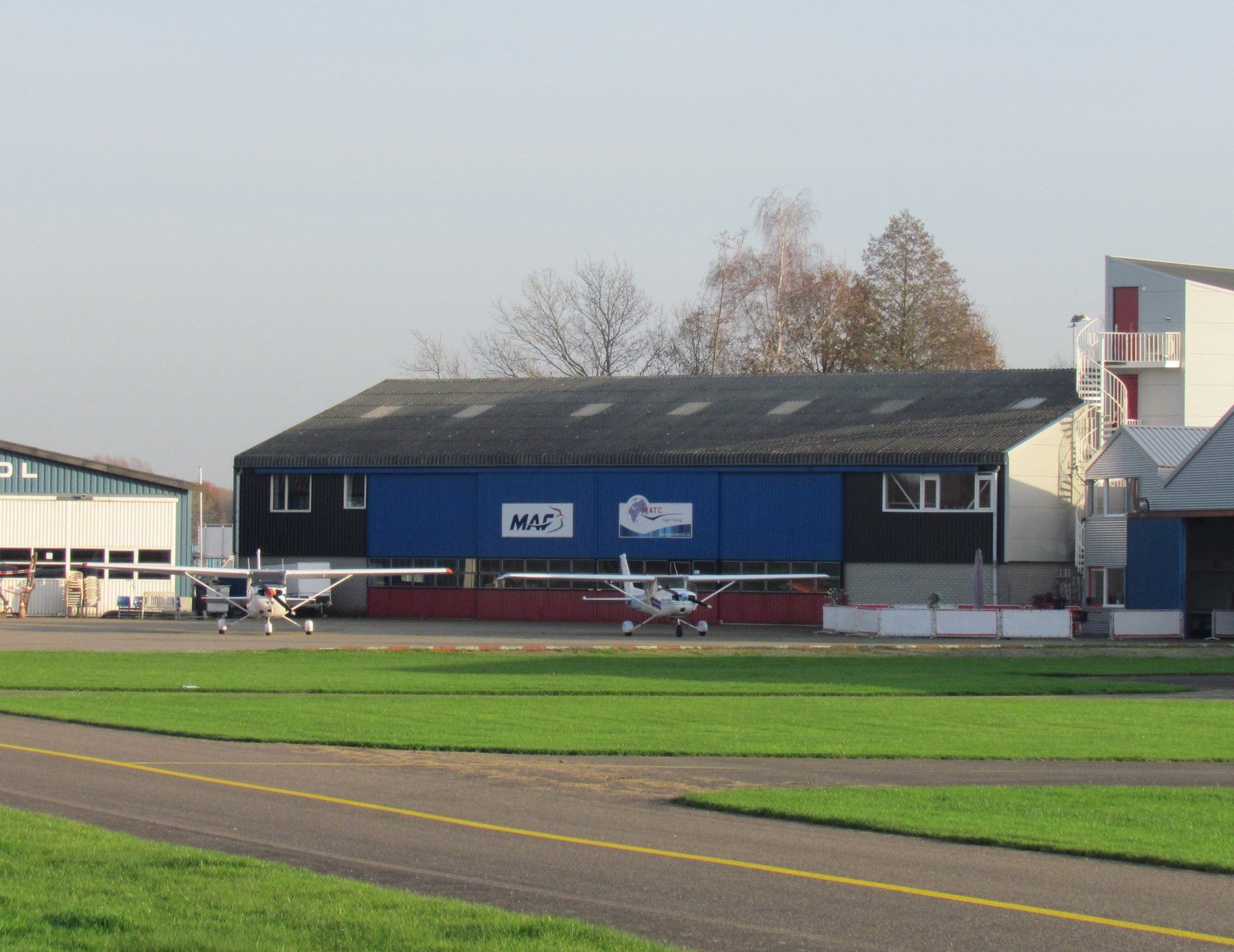
    A blue hangar marked MAF beside a grass airfield, with light aircraft parked in front.
    MAF’s Mission Aviation Training Centre at Teuge Airport in the Netherlands, 2014. Photo: Apdency, CC0 (public domain dedication), via Wikimedia Commons.

    Independent safety help. Mission Safety International was founded in 1983 by Joe Hopkins, who had served with MAF and then taught flying at Moody Aviation in Tennessee. It runs safety audits, seminars and accident investigations for mission operators. Its Missionary Aviation Flight Operations Quality Assurance programme encourages “the proactive and non-punitive use of digital flight data from routine operations to improve aviation safety”.

    The cost. Even with all this, mission flying still carries risk. In 2020, MAF pilot Joyce Lin was killed when her Kodiak crashed into Lake Sentani in Papua, Indonesia. On 15 July 2022, MAF commissioned a replacement Kodiak, PK-MJL, nicknamed “Miss Joyce Lin”, to carry on her work.

    Further Reading
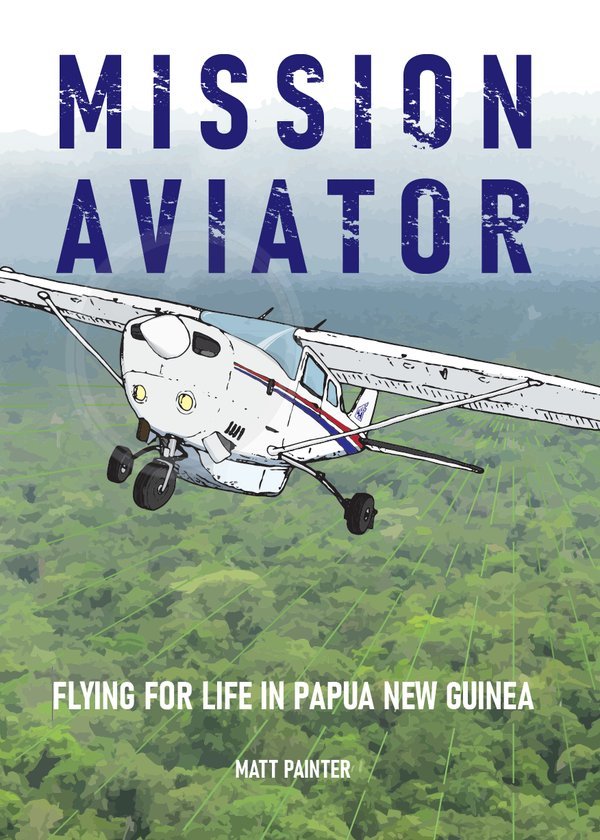
    Cover of Mission Aviator: Flying for Life in Papua New Guinea by Matt Painter
    Mission Aviator by Matt Painter (cover courtesy of the author)

    Mission Aviator by Matt Painter collects his experiences flying with Mission Aviation Fellowship (MAF) in Papua New Guinea. The MAF Gifts shop describes it as a “pilot’s-eye view” of medevacs and routine flights through challenging weather and mountainous terrain. (This isn’t an affiliate link.)

    More books on mission aviation

    • Above and Beyond: The Illustrated Story of Mission Aviation Fellowship by Mission Aviation Fellowship (MAF UK). A lavishly illustrated, decade-by-decade history of Mission Aviation Fellowship’s work with isolated communities and in disaster response, with a foreword by Archbishop Justin Welby. Amazon US | Amazon AU
    • For a Time Like This: Managing mission aviation in modern Papua New Guinea by Michael A. Jelliffe. The true story of the author’s years managing a mission aviation programme in Papua New Guinea from 2005 to 2007, including the operational and leadership challenges that followed two fatal accidents. Amazon US | Amazon AU
    • Hope Has Wings: The Mission Aviation Story by Stuart Sendall-King. Stuart Sendall-King’s history of Mission Aviation Fellowship, published by MAF UK in a seventh edition in 2013. Amazon US | Amazon AU
    • Adventures in the Rotor Wind: From the Office to the Jungle by Elke Kummer. Elke Kummer’s account of leaving office life to join Helimission, and of long-term mission work in Papua among remote communities. Amazon US | Amazon AU
    • Beneath Blades: Flying at the Ends of the Earth – a Pilot’s Journal by David H. Earley. David H. Earley’s journal of 46 years flying helicopters and fixed-wing aircraft in more than 18 countries, including Papua New Guinea, Indonesia and Vietnam, with photographs, maps and aircraft details. Amazon US | Amazon AU

    As an Amazon Associate I earn from qualifying purchases.

    Keep Exploring

    If you missed it, start with Part 1: Mission Aviation: The Early Years for the story of the founders and their first aircraft. MAF’s Caravan was a crowd favourite at Avalon, and our Australian airshows guide shows where to catch aircraft like it this summer. And for more about flying on floats, read about floatplanes in Alaska.

    From a red Waco biplane in 1946 to Kodiaks with synthetic vision, the aircraft have changed almost beyond recognition. The reason they fly hasn’t. Do you know a mission pilot, or have you flown with one? We’d love to hear your story.

    God bless you with blue skies!

  • Mission Aviation: The Early Years

    Mission Aviation: The Early Years

    When World War II ended, thousands of young men and women came home knowing how to fly. A handful of them, Christians from the air forces of the United States, Britain, Australia and New Zealand, began asking the same question at almost the same time: could aircraft that had done so much destruction now carry help and hope to the world’s most isolated people?

    Out of that question grew a whole branch of aviation. This is Part 1 of our two-part series, covering how it all started.

    Before the Fellowships: The First Mission Flights

    The idea wasn’t new in 1945. The National Archives of Australia explains that the Reverend John Flynn, a Presbyterian missionary, started the Aerial Medical Service (now the Royal Flying Doctor Service) through the Australian Inland Mission, flying from Cloncurry, Queensland, in 1928. Its aircraft was a de Havilland DH.50 biplane supplied by Qantas and named Victory. In its first year it flew 28,129 km (about 17,480 miles) and attended 255 patients. We’ll tell that story in its own post.

    In New Guinea, the Pacific Wrecks archive records that from 1935 a Junkers F 13 named Papua (VH-UTS) flew cargo and passengers to Lutheran mission airfields.

    And in Central America, according to JAARS, the Bible translator William Cameron Townsend first thought about how helpful aeroplanes would be in missions in 1926, “while wearily slogging along a mountain trail”.

    The Wartime Spark

    The war turned scattered ideas into organisations. MAF International sums up the feeling of the time with a question from one of its founders, Murray Kendon, a New Zealander who had flown with the RAF:

    “How is it that there is enough money to get thousands of planes into the air to kill and destroy, when only a handful are being used for missionary work?”

    Similar groups formed independently in the US, Britain and Australia, so “MAF” has three sets of roots that grew up side by side.

    MAF in America: Betty Greene and the Red Waco

    In the United States, the story begins with a WASP. Elizabeth “Betty” Greene learned to fly as a teenager and served with the Women Airforce Service Pilots during the war. Wheaton College’s Archives & Special Collections, which holds MAF’s records, notes that she flew radar missions and test flights in B-17 bombers. She later called that wartime service good preparation:

    “The best flight training the world had to offer women, which Uncle Sam paid me to take, was not unworthy preparation for a would-be missionary servant of Christ.”

    A magazine article about her plans caught the eye of Jim Truxton, another Christian military pilot with the same vision. According to the Wheaton archivists, the two launched their new mission in Los Angeles, in office space donated by The Navigators, and it was incorporated on 20 May 1945 under Truxton’s leadership. It started out as the Christian Airmen’s Missionary Fellowship and later became Mission Aviation Fellowship.

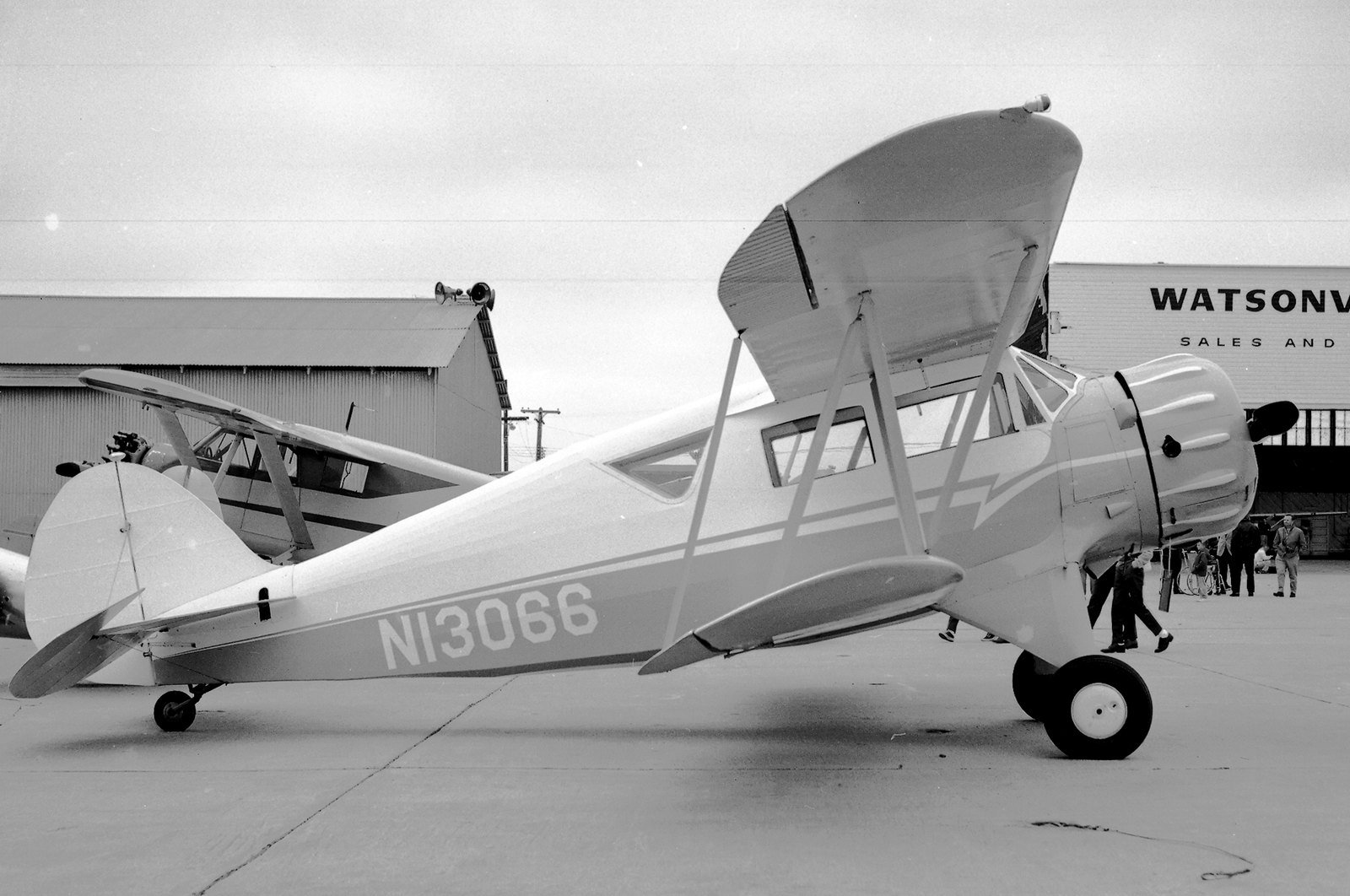
    MAF records that on 23 February 1946, Greene took off from Los Angeles on the organisation’s first flight in “a red 1933 four-place-cabin Waco biplane”, carrying two Wycliffe Bible Translators workers. The trip had its moments: a precautionary landing at Tuxpan (the debris coming off the engine was just flaking paint), a storm, and an engine stoppage caused by water in the fuel, which she fixed by switching tanks. A week after leaving Los Angeles, she delivered Cameron Townsend himself to Tuxtla Gutiérrez in southern Mexico. MAF says she flew for it for 16 years, in 12 countries.

    Black-and-white photo of a Waco cabin biplane with a radial engine parked on an airport apron.
    A Waco UIC cabin biplane at Watsonville, California, around 1966, a 1930s Waco cabin type like the one MAF’s first flight used in 1946. Photo: Bill Larkins, CC BY-SA 2.0, via Wikimedia Commons.

    MAF in Britain: The Mildmay Pathfinder Goes to Africa

    In Britain, Kendon set out his vision in 1945 in The Mildmay Outlook. Two RAF men read it and joined him: engineer Stuart King and pilot Jack Hemmings AFC, who MAF UK says had led 353 Squadron, flying Hudsons and C-47 Dakotas.

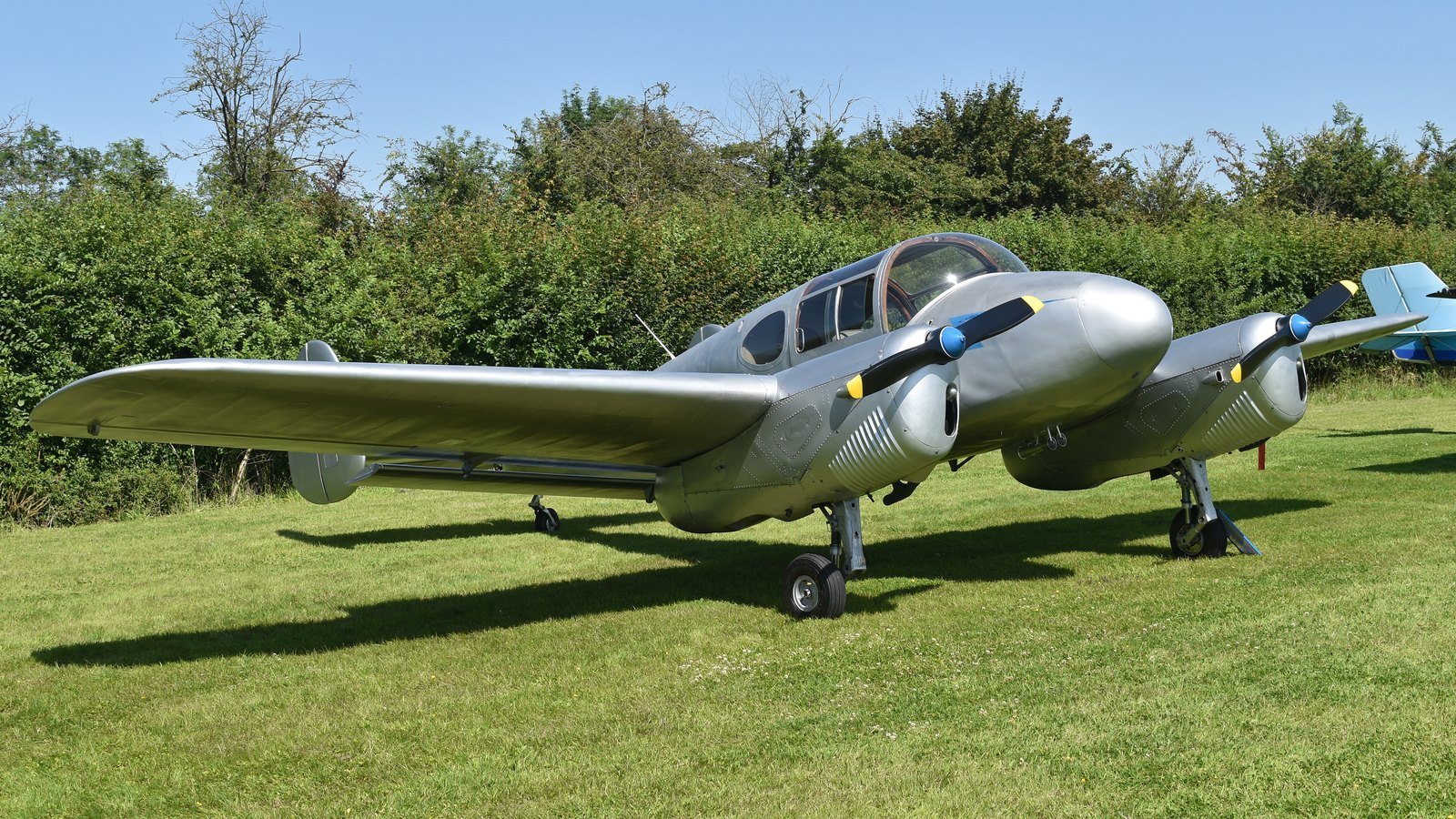
    The group raised money for a twin-engined, four-seat Miles Gemini, named the Mildmay Pathfinder after its sponsor, the Mildmay Movement. On 13 January 1948, Hemmings and King took off from Croydon to survey central Africa, following the Nile to Kenya. MAF UK says they met more than 500 remote missionaries, and King’s account describes one loop of 3,000 miles (about 4,800 km) from Nairobi across the Congo.

    The survey ended in the Burundi foothills, when the Gemini couldn’t climb to the 8,500 feet (about 2,590 m) it needed and a headwind pushed it into a banana tree. Both men survived, and Hemmings earned the nickname “Crasher Jack”. A de Havilland Rapide was bought for Sudan in 1949, and MAF’s Sudan programme launched in 1950.

    MAF in Australia: From a Melbourne Bible College to New Guinea

    The Australian branch began in a classroom. According to the Melbourne School of Theology, three ex-servicemen met as first-year students at Melbourne Bible Institute in 1946: Kittyhawk pilot Bruce Morton, Coastal Command Liberator pilot Harry Hartwig and pilot and wireless air gunner Ken Cooper. On 30 June 1947, a public meeting resolved to “form an autonomous body called Missionary Aviation Fellowship” and to ask to affiliate with the English and American fellowships.

    In a history for Australian Flying, former MAF pilot Ron Watts says the first aircraft was an ex-RAAF Avro Anson. It was sold after the Department of Civil Aviation raised doubts about its wooden wing. A humbler Tiger Moth followed, and in August 1949 Hartwig and Alex Freind used it to survey northern Australia. A second survey led to a base at Madang, New Guinea, with the Lutheran Mission as the main user.

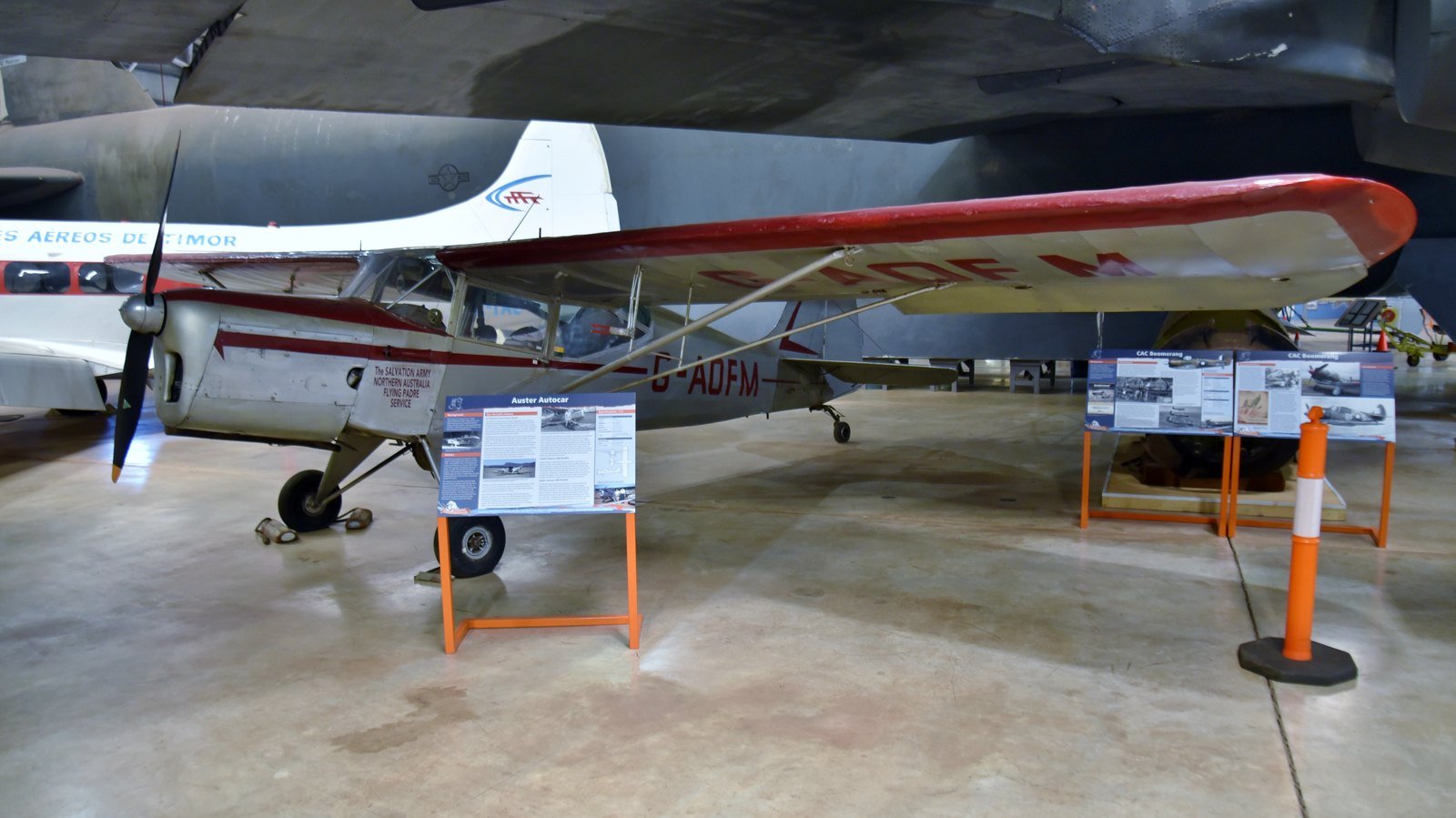
    MAF Australia records that in April 1951, Hartwig and American engineer and pilot Bob Hutchins ferried an Auster Autocar from Bankstown to Madang. Watts describes the Auster as “simple and rugged, with reasonable short field performance”. Its 120 hp (about 89 kW) Gipsy Major was modest even then. Not long before he died, Hartwig wrote in a report:

    “A local knowledge of the weather and topography is essential, and familiarisation flights will be of great value in this respect”

    On 6 August 1951, he was killed when his Auster crashed in the Asaroka Gap on the way back to Madang. The Australian board turned to MAF in the US, and in 1952 American Grady Parrott and the Lutheran Mission’s Cessna 170 VH-AMF got the service flying again.

    A white high-wing Auster Autocar with red trim on display inside a museum hangar.
    An Auster Autocar at the Darwin Aviation Museum in 2023. MAF’s first New Guinea service in 1951 used this type. Photo: Bahnfrend, CC BY-SA 4.0, via Wikimedia Commons.

    Nate Saint and Operation Auca

    The best-known name of the early years is an American. Nate Saint was grounded from military flying by a recurring leg infection. He applied to the Christian Airmen’s Missionary Fellowship in January 1945, according to Wheaton’s archives. He and his wife, Marjorie, then opened MAF’s base at Shell Mera in Ecuador in 1948. MAF says he spent eight years there flying medical supplies, supporting missionaries and helping isolated villages.

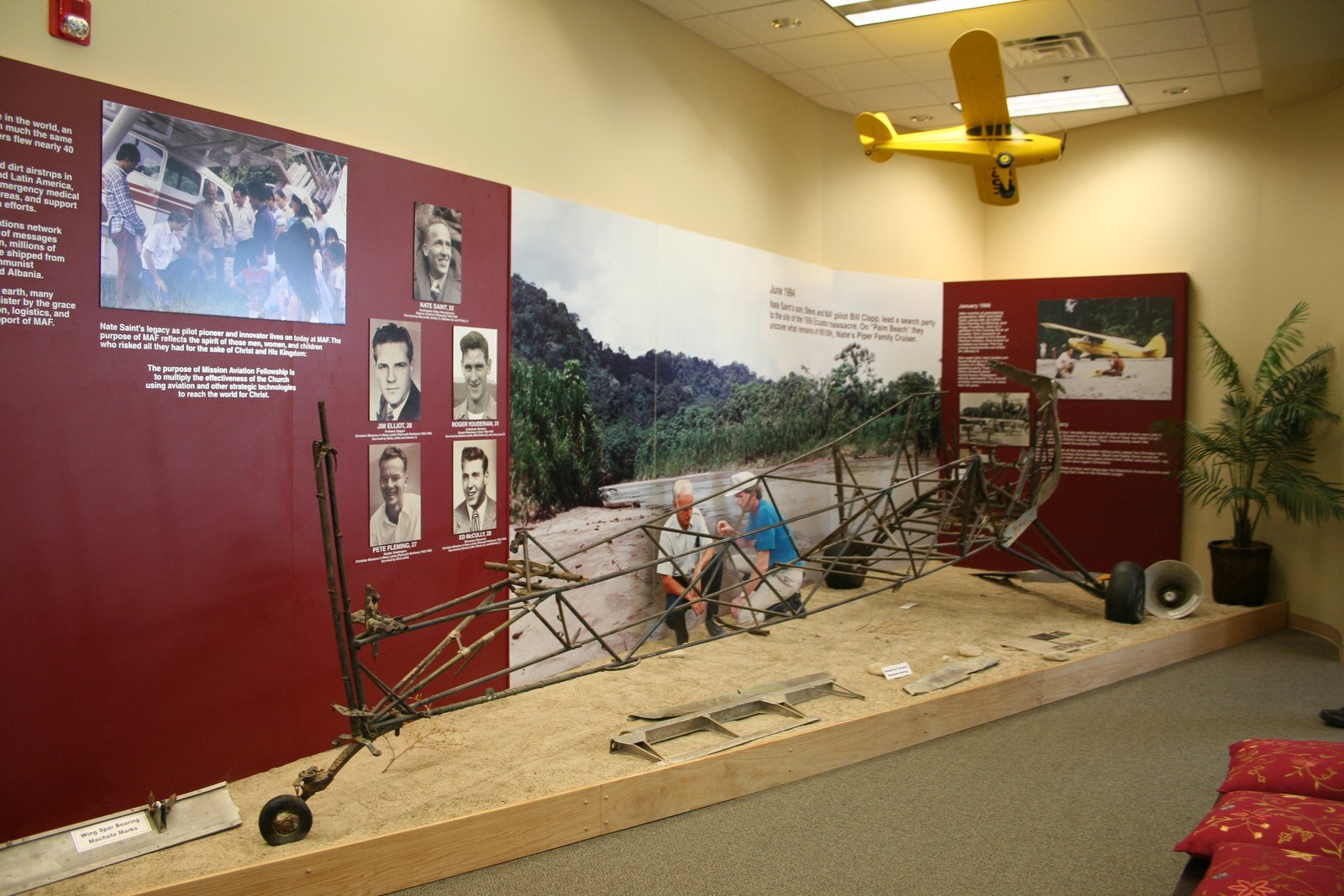
    Using a “bucket drop” technique he developed, circling so that a bucket on a line hung almost still, Saint and four colleagues, Jim Elliot, Pete Fleming, Ed McCully and Roger Youderian, passed gifts to the isolated Waorani people. In January 1956, MAF says, Saint landed a “bright yellow Piper Family Cruiser” on a sandbar on the Curaray River that the men called Palm Beach. On 6 January the missionaries had a friendly meeting with three Waorani. On 8 January all five men were speared to death.

    MAF says several of the men involved later became Christians, and the story inspired a generation to volunteer for mission aviation.

    The bare steel-tube frame of a small aircraft displayed on sand, with a yellow Piper model hanging above.
    The recovered frame of Nate Saint’s Piper on display at MAF’s headquarters in Nampa, Idaho, in 2007. Photo: Lance Olenik, CC BY-SA 3.0, via Wikimedia Commons.

    JAARS: Wings for Bible Translators

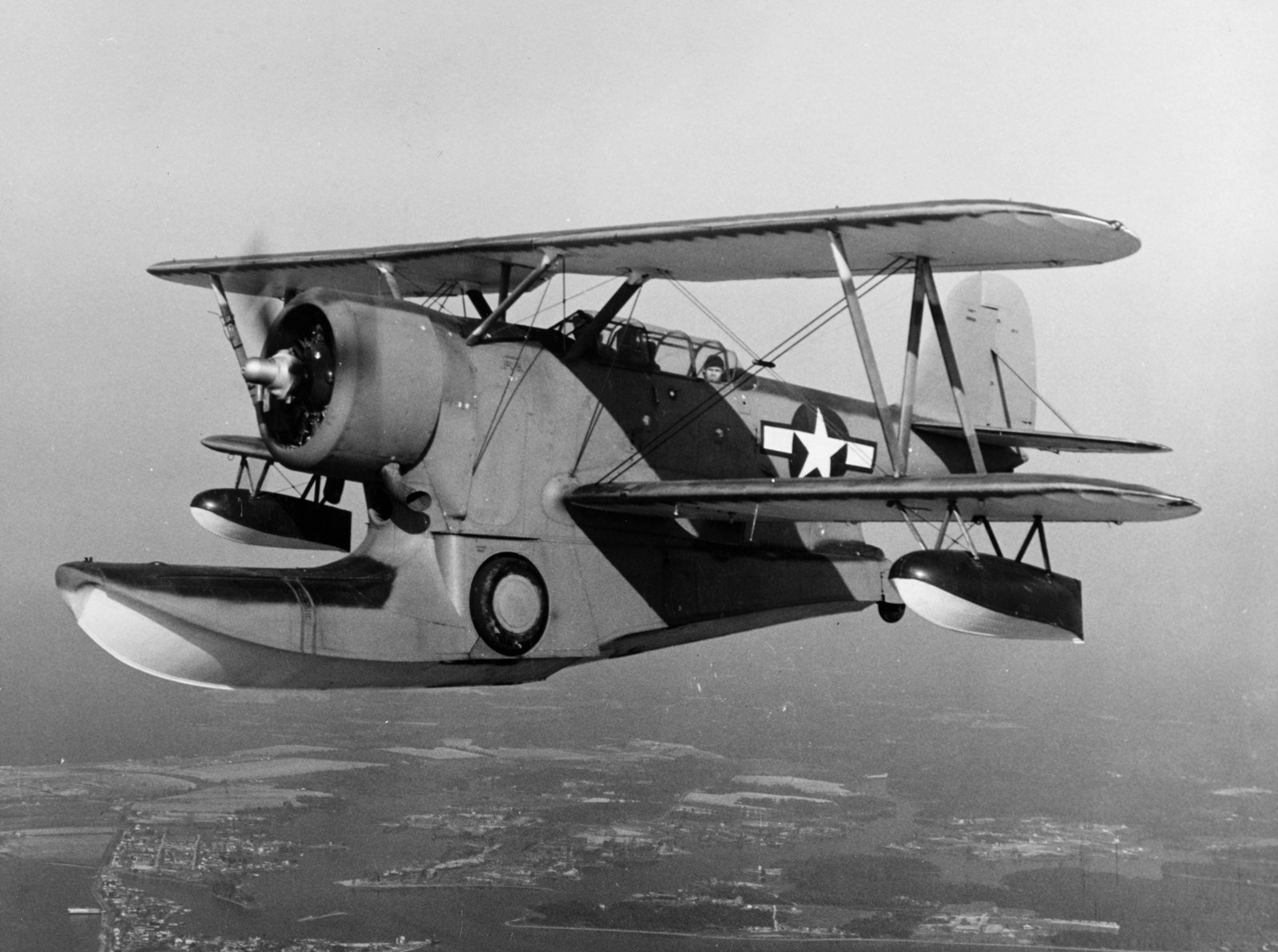
    Townsend’s dream took shape in Peru. JAARS tells how translators Titus and Florence Nickel spent 21 days getting back to base by boat, on foot, by mule and by truck in 1946 when a supply plane never came. Later SIL pilot Larry Montgomery flew them back in a Grumman Duck amphibian in less than two hours. Townsend declared: “No more translators should go into the jungles of Peru until they can be assured of adequate transportation service.”

    Then in 1947, JAARS says, Townsend, his wife Elaine and their six-week-old daughter survived a serious aviation accident in southern Mexico. The following year Wycliffe’s board approved the Jungle Aviation and Radio Service. SIL Global gives the founding date as 23 July 1948. A gift funded land at Yarinacocha in Peru, and JAARS says that little more than a decade later the hangar there housed nine aircraft.

    In 1961 the businessman Henderson Belk gave 256 acres (about 104 hectares) outside Waxhaw, North Carolina, for a US headquarters. AOPA Pilot reported in October 2026 that the JAARS base has since grown to more than 630 acres (about 255 hectares). In 2022, JAARS changed its name to Jungle Aviation and Relay Service to reflect a renewed focus on air, land and sea transport.

    Black-and-white photo of a Grumman Duck amphibious biplane with a large central float in flight over a coastline.
    A Grumman J2F-6 Duck in flight in 1943. An amphibious Duck carried translators Titus and Florence Nickel back to their village in Peru in less than two hours. U.S. Navy photo (80-G-211354), public domain, via Wikimedia Commons.

    New Tribes Mission and the Road to Ethnos360 Aviation

    New Tribes Mission was founded in 1942 by Paul Fleming, Cecil A. Dye, Lance B. Latham and M. Robert Williams. Ethnos360 Aviation says Fleming became convinced after the war that aeroplanes were “coming into the world picture” and that NTM should use them. The first aircraft taken overseas was a four-seat 1947 Stinson Voyager.

    In 1949 it bought a used DC-3 and then a surplus C-47 to fly groups of missionaries to their fields. Both were lost in 1950. On 9 June, the Tribesman crashed into a mountain on the Colombia–Venezuela border while flying missionaries to South America. On 21 November, the replacement Tribesman II hit Mount Moran, a 12,605 ft (3,842 m) peak in Wyoming’s Grand Tetons, in a storm. Fleming and 20 others were killed. Ethnos360 Aviation says no other large aircraft were bought after that.

    Some missionaries kept flying their own small aircraft, but the mission needed common standards and technical support. In 1969, NTM asked two experienced aviators, Jim Ferguson and Forest Estelle, to form Tribal Air/Communications at Jersey Shore, Pennsylvania. They started with a single 1953 Piper Pacer and an airstrip cut out of a cornfield. The department later became NTM Aviation. New Tribes Mission USA became Ethnos360 in 2017, and in December that year NTM Aviation became Ethnos360 Aviation.

    The Aircraft of the Early Years

    The early fleets were a mixed bag:

    • Cabin biplanes and classic twins: Greene’s 1933 Waco, the British Miles Gemini and the de Havilland Rapide bought for Sudan.
    • Fabric-covered light singles: MAF says Piper Cruisers, Piper Pacers and Stinson Voyagers started its earliest programmes in Mexico and Central and South America. The Australians used Tiger Moths and Austers.
    • Amphibians: the Grumman Duck that carried the first JAARS translators in Peru.
    • War-surplus transports: NTM’s DC-3 and C-47, plus Australia’s short-lived Avro Anson.

    MAF Australia’s timeline shows how quickly things moved on: Cessna 170s from 1952, the Cessna 185 in 1962 and the turbocharged Cessna 206 in 1968.

    Bring a piece of the early years home

    Two aircraft from this story are available as display models: the de Havilland Rapide, the type MAF bought for its first programme in Sudan, and the Avro Anson, the first aircraft bought by MAF in Australia. These models are in wartime military markings, not mission colours.

    de Havilland DH.89 Dragon Rapide die-cast model aircraft in olive drab USAAF markings, 1/72 scale
    Image: Airmodels

    de Havilland DH.89 Dragon Rapide USAAF (1/72 scale)

    Avro Anson Mk I die-cast model aircraft in silver RAF Coastal Command markings, 1/72 scale
    Image: Airmodels

    Avro Anson Mk I (1/72 scale)

    About our links: these are affiliate links, so PlanesNStuff may earn a small commission at no extra cost to you.

    Further Reading

    Cover of Mission Aviator: Flying for Life in Papua New Guinea by Matt Painter
    Mission Aviator by Matt Painter (cover courtesy of the author)

    Mission Aviator by Matt Painter collects his experiences flying with Mission Aviation Fellowship (MAF) in Papua New Guinea. The MAF Gifts shop describes it as a “pilot’s-eye view” of medevacs and routine flights through challenging weather and mountainous terrain. (This isn’t an affiliate link.)

    More books on mission aviation

    • Above and Beyond: The Illustrated Story of Mission Aviation Fellowship by Mission Aviation Fellowship (MAF UK). A lavishly illustrated, decade-by-decade history of Mission Aviation Fellowship’s work with isolated communities and in disaster response, with a foreword by Archbishop Justin Welby. Amazon US | Amazon AU
    • For a Time Like This: Managing mission aviation in modern Papua New Guinea by Michael A. Jelliffe. The true story of the author’s years managing a mission aviation programme in Papua New Guinea from 2005 to 2007, including the operational and leadership challenges that followed two fatal accidents. Amazon US | Amazon AU
    • Hope Has Wings: The Mission Aviation Story by Stuart Sendall-King. Stuart Sendall-King’s history of Mission Aviation Fellowship, published by MAF UK in a seventh edition in 2013. Amazon US | Amazon AU
    • Adventures in the Rotor Wind: From the Office to the Jungle by Elke Kummer. Elke Kummer’s account of leaving office life to join Helimission, and of long-term mission work in Papua among remote communities. Amazon US | Amazon AU
    • Beneath Blades: Flying at the Ends of the Earth – a Pilot’s Journal by David H. Earley. David H. Earley’s journal of 46 years flying helicopters and fixed-wing aircraft in more than 18 countries, including Papua New Guinea, Indonesia and Vietnam, with photographs, maps and aircraft details. Amazon US | Amazon AU

    As an Amazon Associate I earn from qualifying purchases.

    Part 2: Mission Aviation Today

    Part 2 is now live: Mission Aviation Today: From Cessnas to Kodiaks. Follow the story from fabric-covered Pipers to today’s turbine Kodiaks and Caravans.

    Keep Exploring

    The Tiger Moth that surveyed northern Australia for MAF was the same trusty trainer we covered in our Tiger Moth history. The de Havilland Dragon that MAF Australia considered for New Guinea is the subject of our DH.84 Dragon feature. And for another place where small aircraft are a lifeline, read about floatplanes in Alaska.

    Do you have a family connection to the early days of mission aviation? We’d love to hear your story.

    God bless you with blue skies!