
In Part 1, Mission Aviation: The Early Years, we met the post-war pilots who started it all: Betty Greene and her red Waco, the Mildmay Pathfinder in Africa, Harry Hartwig’s Auster in New Guinea, Nate Saint, and the first JAARS and New Tribes Mission aircraft.
This is Part 2. Eighty years on, the fabric-covered Pipers have given way to turbine Kodiaks and Caravans, glass cockpits and flight simulators. The goal those founders had hasn’t changed, though: getting people and supplies to places roads don’t reach. Here’s how mission aviation works today.
From Fabric to Aluminium: The Cessna Years
MAF in the United States describes 1965 to 1990 as its “growing years”. Fabric gave way to aluminium, and small Cessnas became the workhorses. In Indonesia, Cessna 185s and 206s “nearly doubled the range and load” of the earlier aircraft. One of them, a brand-new C185 registered PK-MCB, opened MAF’s West Kalimantan programme in 1969 and became known as “Charlie Brown”. In 1976, MAF added helicopters in Papua, Indonesia, so missionaries could survey unreached areas and live remotely until an airstrip was built.
In Papua New Guinea, the MAF Australia timeline shows the fleet growing well beyond single-engine Cessnas. A Beechcraft Baron arrived in 1974 as MAF’s first twin for mainland PNG. A Cessna 402C followed in 1981 for longer routes, and in 1986 the de Havilland Canada Twin Otter, an 18-passenger aeroplane, “massively boosted” what the programme could carry. Britten-Norman Islanders also joined in the late 1980s.
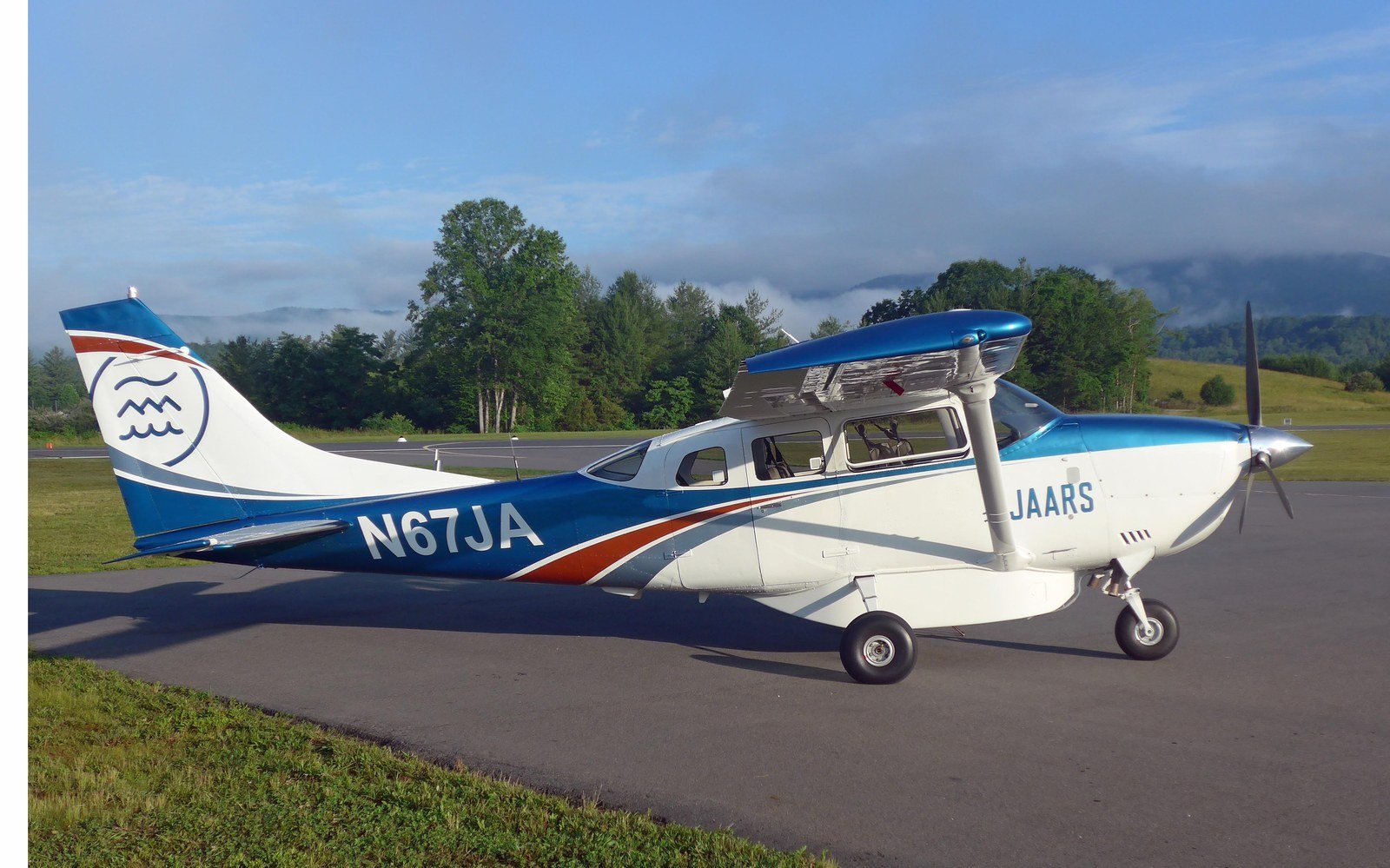
The aircraft that defined the era, though, was the Cessna 206. MAF US still calls it “the mainstay of the MAF fleet for many years”. Most mission 206s are U206s. The “U” means Utility, and the big feature is a wide double cargo door. MAF International says its 206s have been modified for bush flying with upgraded wheels and brakes, larger tyres, and a V-shaped brace in the windscreen area to strengthen the cabin.
The Avgas Problem
So why change a good thing? Fuel. Piston engines like the 206’s burn avgas, which is scarce and expensive in many of the countries where missions fly. MAF says its newer turbine aircraft burn jet fuel, which is easier to get overseas. MAF International now has 206s in just two of its African programmes, because avgas makes them less cost-effective.
Not every solution is a turboprop. MAF also flies Cessna 182s fitted with a French SMA SR305 diesel engine that runs on jet fuel. It carries three passengers, and MAF says it lets small teams reach communities where a bigger aircraft wouldn’t make financial sense.
The Cessna Caravan: Backbone of the Fleet
MAF UK calls the Cessna 208 Caravan “the backbone of MAF’s fleet”. Textron Aviation says the current Caravan has a 675 hp (about 500 kW) Pratt & Whitney Canada PT6A-114A turboprop and rough-field tyres and landing gear for grass and gravel strips. MAF adds its own bush kit: sturdy landing gear, larger tyres, mud flaps, a rubber scraper for the nose tyre and a slightly longer nose leg to keep mud and stones away from the propeller. Its Caravans are fully equipped for instrument flying, with GPS, weather radar and a Stormscope.
According to MAF International, most of its Caravans are the stretched Grand Caravan (C208B), which can carry up to 13 passengers or up to 1,200 kg (about 2,650 lb) of cargo. It also flies amphibious Caravans on Wipaire floats in Papua New Guinea and Uganda.
PNG shows how complete the change has been. MAF Australia says the first Caravan joined the PNG fleet in 2008 and has since become the programme’s only aircraft type. In 2024, the amphibious Caravan P2-WET began serving PNG’s Western Province. That same year, MAF’s impact report says, it ordered five new Caravans from Textron. The first was delivered in April 2024 and prepared at MAF’s engineering centre in Mareeba, Queensland. One of the new aircraft, P2-AFD, which is bound for PNG, is the Caravan in our featured photo, on display at the 2025 Australian International Airshow at Avalon.
The Kodiak: A Bush Plane Designed for Missions
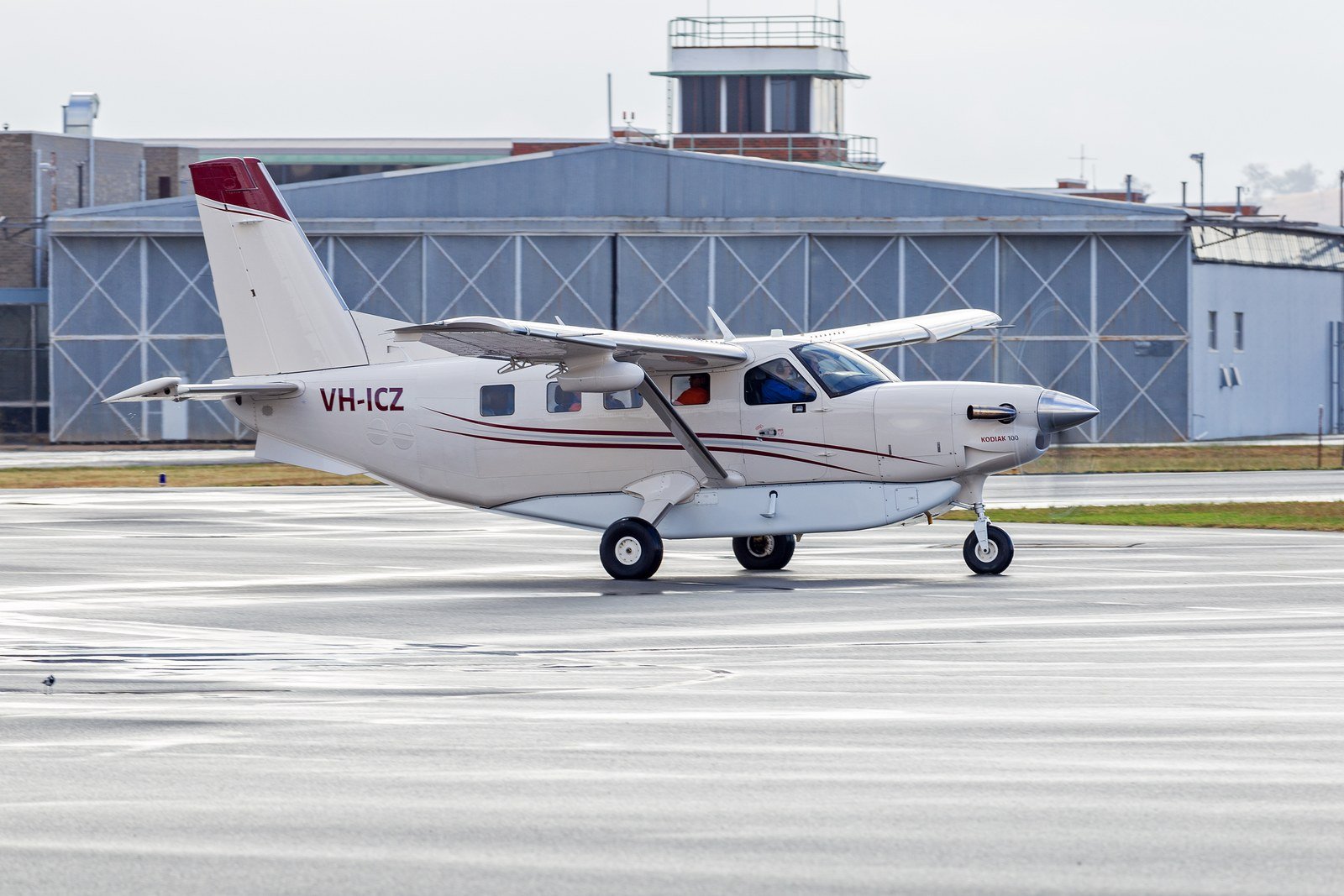
The Kodiak is the one aircraft in this story that was designed with mission flying in mind. AOPA reported in 2009 that its story began in the mid-1980s, when MAF pilot David L. Voetmann described the aeroplane he needed for African bush country to designer Tom Hamilton (of Glasair and GlaStar fame).
Aviation Week says MAF helped Quest Aircraft’s founders in 1998 by raising seed money from other mission groups. The partners named in the 2009 launch announcement included JAARS, New Tribes Mission, Adventist World Aviation, Samaritan Aviation, Mercy Air South Africa, Asas de Socorro and Moody Bible Institute. In return, Quest planned to supply one aircraft at cost to a mission organisation for every 10 it sold commercially.
MAF took delivery of its first Kodiak 100, serial number SN0011, on 19 March 2009, and it went to Papua, Indonesia. AOPA picked out some telling details: it burns jet fuel rather than avgas, it’s rugged enough for rough mountainside strips, and its exhaust pipes point backwards rather than down so they won’t set tall grass alight. MAF UK says the Kodiak produces up to 750 hp (about 560 kW) for take-off and can use the same short strips as a Cessna 206 while carrying twice the cargo.
Daher, maker of the TBM, announced in June 2019 that it was buying Quest. Daher describes the Kodiak 100 as “originally created for humanitarian missions in developing countries”. Today’s Kodiak 100 uses a PT6A-34 turboprop, and its Garmin flight deck includes synthetic vision and terrain information, a big step from the bare panels of the 1940s. MAF US now lists 12 Kodiaks in its fleet, and MAF UK says its Kodiaks are based in Indonesia.
Porters, PC-12s, Airvans and Helicopters
- Pilatus PC-6 Porter: Pilatus built the Porter at Stans, Switzerland, from 1959. The company says it made 500 there, with slightly fewer than 100 more built under licence in the USA. AIN reports that the last one was delivered on 12 December 2022, after a 63-year production run, and when it announced the end of production, Pilatus promised to support existing Porters for at least another 20 years. JAARS still lists a Porter in its fleet.
- Pilatus PC-12: MAF’s 2024 fleet count includes one PC-12. Pilatus says the type can use short runways and unmade grass, gravel or snow strips, with room for up to nine passengers.
- GippsAero GA8 Airvan: an Australian design. MAF International says it was conceived to bridge the gap between the Cessna 206 and the Caravan. It joined MAF’s PNG fleet in 2005 and now flies in Arnhem Land and Timor-Leste, among other places.
- Helicopters: JAARS operates Robinson R66 and Bell 206 LongRanger helicopters, and Ethnos360 Aviation flies R66s and one Bell LongRanger.
The Organisations Today
Mission Aviation Fellowship
MAF’s 2024 impact report counts a global fleet of 117 light aircraft serving in 24 countries, and MAF UK says it flies for about 1,500 aid, development and mission organisations. Most of that fleet is Cessnas, along with the Kodiaks, GA8 Airvans and a single PC-12.
MAF UK’s timeline gives a sense of how much has happened since the early days. In 1984 MAF flew the BBC’s Michael Buerk and cameraman Mohamed Amin to report on the Ethiopian famine, a report that helped lead to Live Aid. It responded to the 2004 Boxing Day tsunami in Aceh, deployed its first Kodiak to Indonesia in 2009, and more recently has delivered Covid-19 vaccines and flown relief during the conflict in Sudan.
For Australians, MAF Arnhem Land is close to home. It started in 1973, and MAF Australia says it now flies six GA8 Airvans and two Caravans to about 50 community airstrips. It carries over 13,000 passengers a year and runs the region’s only scheduled shuttle flights. MAF UK highlights Yingiya Guyula, trained by MAF Arnhem Land as the world’s first Yolngu aircraft engineer and pilot. And in 2026, MAF Papua New Guinea marks 75 years since Hartwig’s Auster arrived in Madang.
MAF US, based in Nampa, Idaho, lists 13 Cessna 206s, 11 Caravans, 12 Kodiaks, a Cessna 210 and three Cessna 172s. It says the fleet flies over a million miles (about 1.6 million km) a year.
JAARS
JAARS still works from its base at Waxhaw, North Carolina. A feature in AOPA Pilot, published in October 2026, says its fleet includes the Cessna 206 and Caravan, Helio Courier, Kodiak and Pilatus Porter, plus Bell 206 LongRanger and Robinson R66 helicopters.
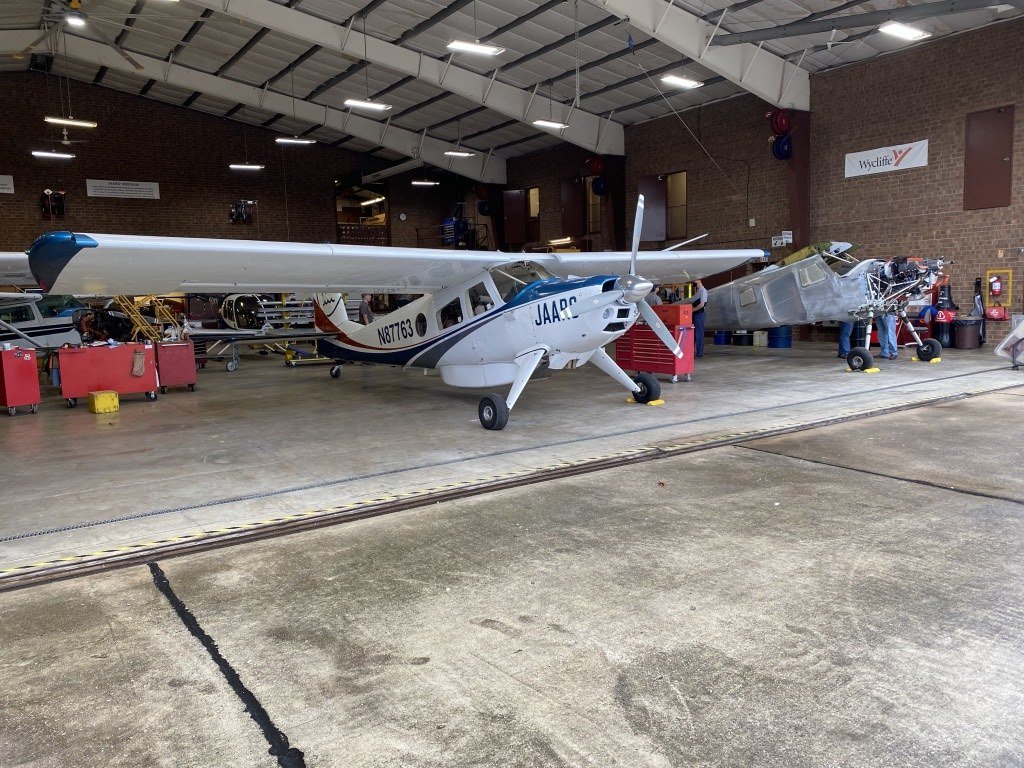
The Helio Courier is a JAARS trademark. JAARS describes it as a “practically unstallable” taildragger with leading-edge slats, big Fowler flaps and “interceptor” devices on top of each wing for extra control. In 2010, General Aviation News reported that JAARS had about a dozen Couriers, the largest fleet in the world, and built almost all of its own replacement parts because the manufacturer had long since closed. The same article noted that JAARS’s first Kodiak had been flying in New Guinea since September 2009.
Today JAARS-trained pilots and mechanics serve with partners around the world: SAM Air in Peru, Asas de Socorro in Brazil, SIL Aviation Cameroon, Aviation Médicale de Bongolo in Gabon, AIM Air in Kenya and Uganda, YAJASI in Papua, Indonesia, and JAARS Papua New Guinea in the Eastern Highlands.
Ethnos360 Aviation
The aviation arm of the former New Tribes Mission is now based in McNeal, Arizona. Ethnos360 Aviation says it flies Daher Kodiaks and Robinson R66s, plus one Bell LongRanger, with a single Cessna 206 kept for training. It supports church-planting teams in Brazil, the Asia Pacific region, Papua New Guinea and the Philippines.
Its pitch is simple: a trip that could take “four to five days by land” might take 30 minutes by air. Ethnos360 Aviation says it also works to keep flights affordable for national and indigenous missionaries, not only expatriates.
Other Operators
MAF, JAARS and Ethnos360 Aviation are far from alone. The International Association of Missionary Aviation says more than 70 mission agencies, training schools and individuals belong to it, and that “several hundred airplanes and helicopters” fly in mission service. Some other names you’ll come across are AIM Air in East Africa, SAM Air in Peru, YAJASI in Indonesia, Asas de Socorro in Brazil (which MAF UK’s timeline lists as MAF Brazil, launched in 1956), Adventist World Aviation and Samaritan Aviation.
Safety and Training: The Real Workhorse
If one thing separates today’s mission flying from the early years, it’s the safety system wrapped around every flight. MAF International says it complies fully with each country’s aviation regulations, benchmarks itself against International Civil Aviation Organization (ICAO) requirements, and monitors safety through Safety and Quality management systems.
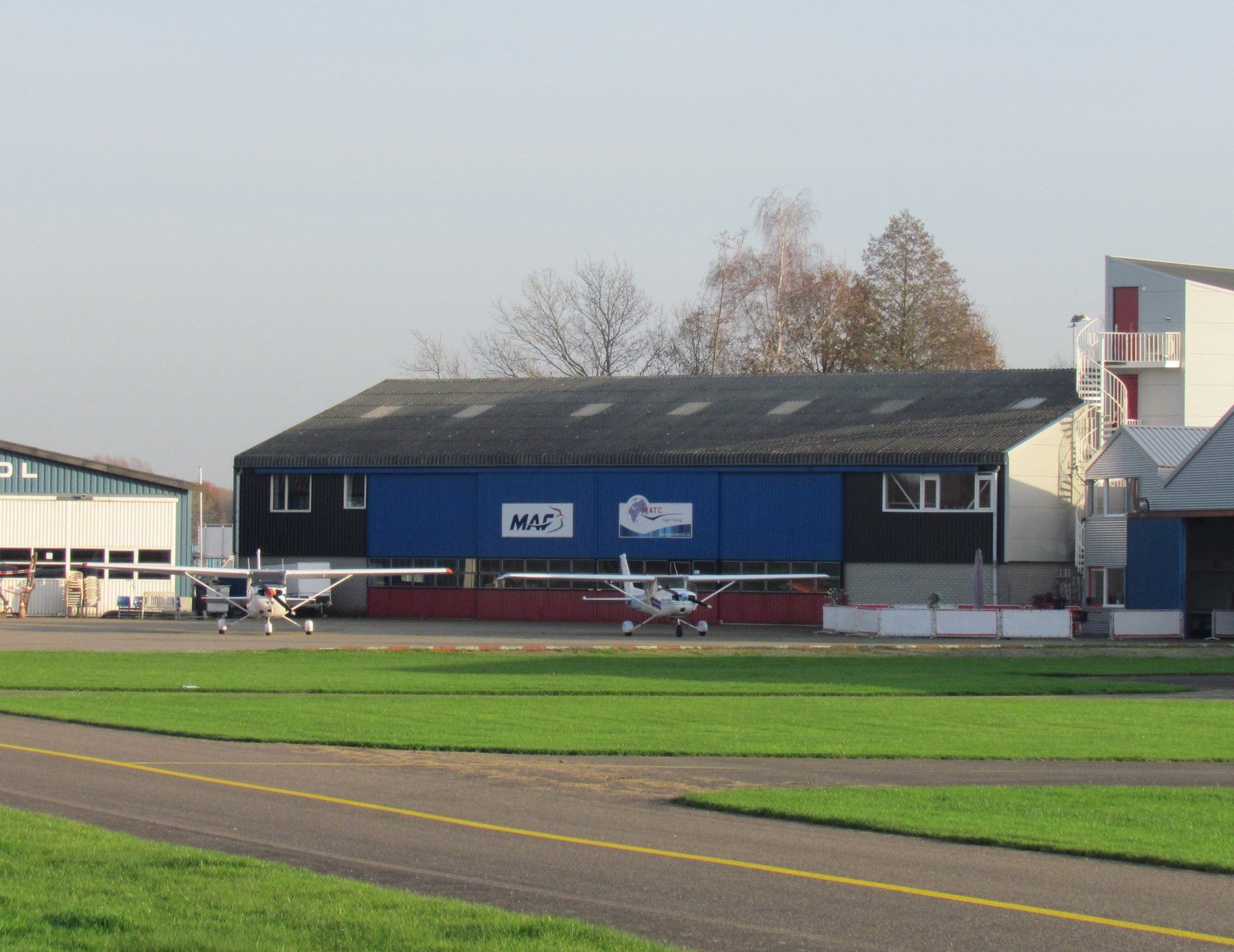
Training pipelines. MAF opened its Mission Aviation Training Centre in the Netherlands in 2010 and the MAF Training Centre at Mareeba, Queensland, in 2015. In December 2024, MAF International signed a deal with Euramec to build a Grand Caravan flight simulator. MAF says simulators at its Dutch and Australian flight schools will replace about 800 aircraft flight hours. Local training has a long history too. MAF set up a Flight Training Centre at Mount Hagen, PNG, in 1986, and in 1999 graduate Hagar Kuliniasi became the first Papua New Guinean to hold a PNG Flight Instructor Rating.
At JAARS, candidates first sit a ten-day Technical Evaluation, then a four-month Pre-Field Orientation, with instructors who between them have more than 500 years of mission-aviation experience. AOPA Pilot describes the “Mountain Week” capstone at Avery County Airport, which JAARS has used for training since 1974. There, trainees spend 10 days flying among ridges, fog and steep strips near Grandfather Mountain. Ethnos360 Aviation starts with a week of technical evaluation in Arizona, followed later by nine months of advanced training in McNeal. That includes short-field mountain flying, a Kodiak simulator, sling-load work and maintenance training.
Independent safety help. Mission Safety International was founded in 1983 by Joe Hopkins, who had served with MAF and then taught flying at Moody Aviation in Tennessee. It runs safety audits, seminars and accident investigations for mission operators. Its Missionary Aviation Flight Operations Quality Assurance programme encourages “the proactive and non-punitive use of digital flight data from routine operations to improve aviation safety”.
The cost. Even with all this, mission flying still carries risk. In 2020, MAF pilot Joyce Lin was killed when her Kodiak crashed into Lake Sentani in Papua, Indonesia. On 15 July 2022, MAF commissioned a replacement Kodiak, PK-MJL, nicknamed “Miss Joyce Lin”, to carry on her work.
Further Reading
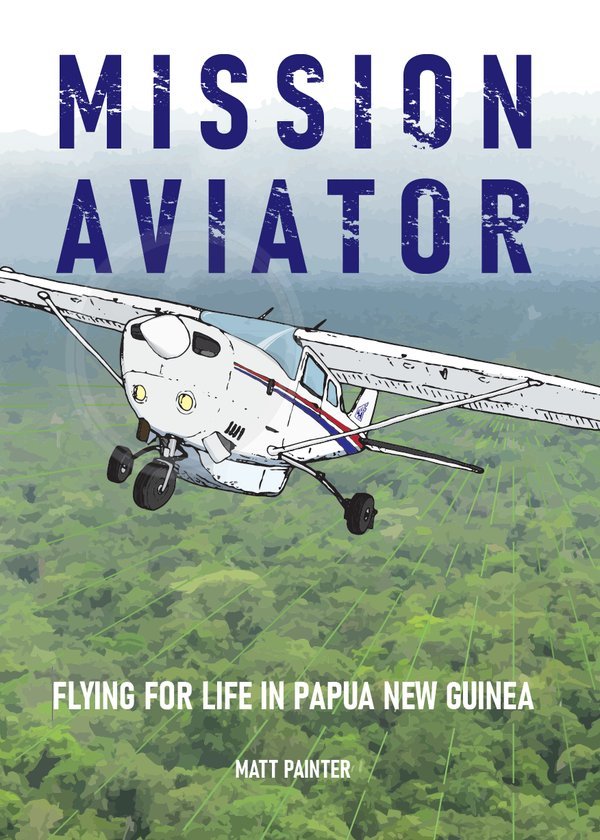
Mission Aviator by Matt Painter collects his experiences flying with Mission Aviation Fellowship (MAF) in Papua New Guinea. The MAF Gifts shop describes it as a “pilot’s-eye view” of medevacs and routine flights through challenging weather and mountainous terrain. (This isn’t an affiliate link.)
More books on mission aviation
- Above and Beyond: The Illustrated Story of Mission Aviation Fellowship by Mission Aviation Fellowship (MAF UK). A lavishly illustrated, decade-by-decade history of Mission Aviation Fellowship’s work with isolated communities and in disaster response, with a foreword by Archbishop Justin Welby. Amazon US | Amazon AU
- For a Time Like This: Managing mission aviation in modern Papua New Guinea by Michael A. Jelliffe. The true story of the author’s years managing a mission aviation programme in Papua New Guinea from 2005 to 2007, including the operational and leadership challenges that followed two fatal accidents. Amazon US | Amazon AU
- Hope Has Wings: The Mission Aviation Story by Stuart Sendall-King. Stuart Sendall-King’s history of Mission Aviation Fellowship, published by MAF UK in a seventh edition in 2013. Amazon US | Amazon AU
- Adventures in the Rotor Wind: From the Office to the Jungle by Elke Kummer. Elke Kummer’s account of leaving office life to join Helimission, and of long-term mission work in Papua among remote communities. Amazon US | Amazon AU
- Beneath Blades: Flying at the Ends of the Earth – a Pilot’s Journal by David H. Earley. David H. Earley’s journal of 46 years flying helicopters and fixed-wing aircraft in more than 18 countries, including Papua New Guinea, Indonesia and Vietnam, with photographs, maps and aircraft details. Amazon US | Amazon AU
As an Amazon Associate I earn from qualifying purchases.
Keep Exploring
If you missed it, start with Part 1: Mission Aviation: The Early Years for the story of the founders and their first aircraft. MAF’s Caravan was a crowd favourite at Avalon, and our Australian airshows guide shows where to catch aircraft like it this summer. And for more about flying on floats, read about floatplanes in Alaska.
From a red Waco biplane in 1946 to Kodiaks with synthetic vision, the aircraft have changed almost beyond recognition. The reason they fly hasn’t. Do you know a mission pilot, or have you flown with one? We’d love to hear your story.
God bless you with blue skies!

Leave a Reply